
No. A reel of LED tape from a big-box store and the tape we specify in a lighting plan share a shape and little else. The differences are in the color of the light, how many LEDs sit on each foot, the driver that powers the run, the channel it sits in and the dimmer that controls it. Each one is invisible on the shelf and obvious on the ceiling.
Tape lighting has become a defining detail of new homes across Dallas-Fort Worth, and the one that most often disappoints, because it was bought as a commodity. Here is what separates good tape from cheap, in the order the differences show up.
What you are actually buying
LED tape is a flexible circuit board with LED chips soldered along its length, a copper layer that carries current and spreads heat, an adhesive back, and a driver nearby that turns household power into low-voltage DC. In a finished installation it also has an aluminum channel, a diffuser and a dimmer. The light you see is the product of that whole chain, which is why good tape on a bad driver, or in no channel, still looks wrong.
Within one manufacturer's catalog there are usually a dozen tapes for different jobs: low output for coves, higher output for task light, sealed tape for outdoors, tape that dims warm. The question is never "white or color." It is which tape, on which surface, viewed from where, controlled how.
Density, channels and the dotless line
The first difference you can see is dots. Cheap tape spaces its LEDs far apart, so each chip shows as a bright point with a dim gap beside it, and the closer the tape sits to the surface it lights, the worse it reads. High-density tape places the chips close together, and chip-on-board tape packs them so tightly that the strip looks like one continuous source even without a lens.
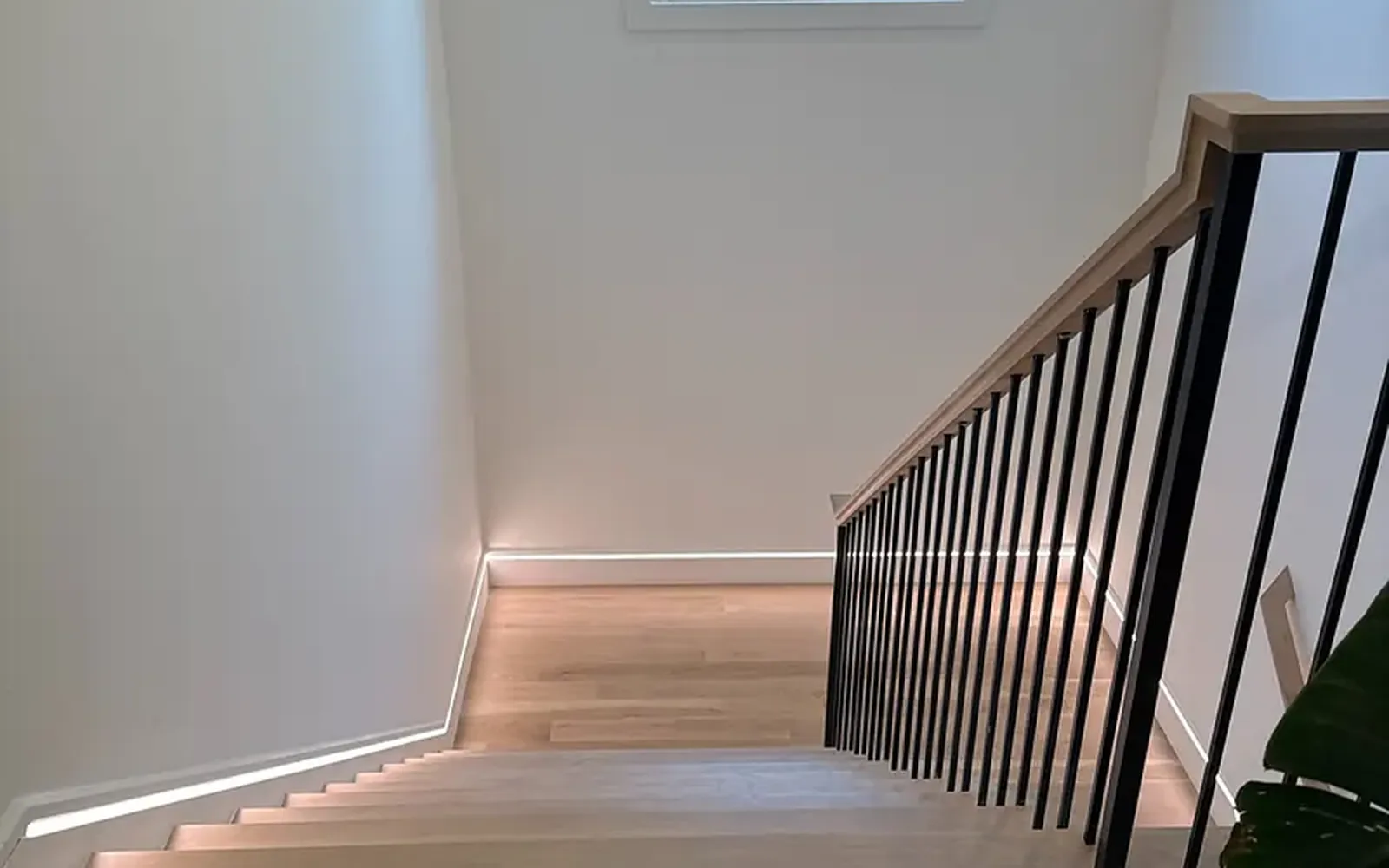
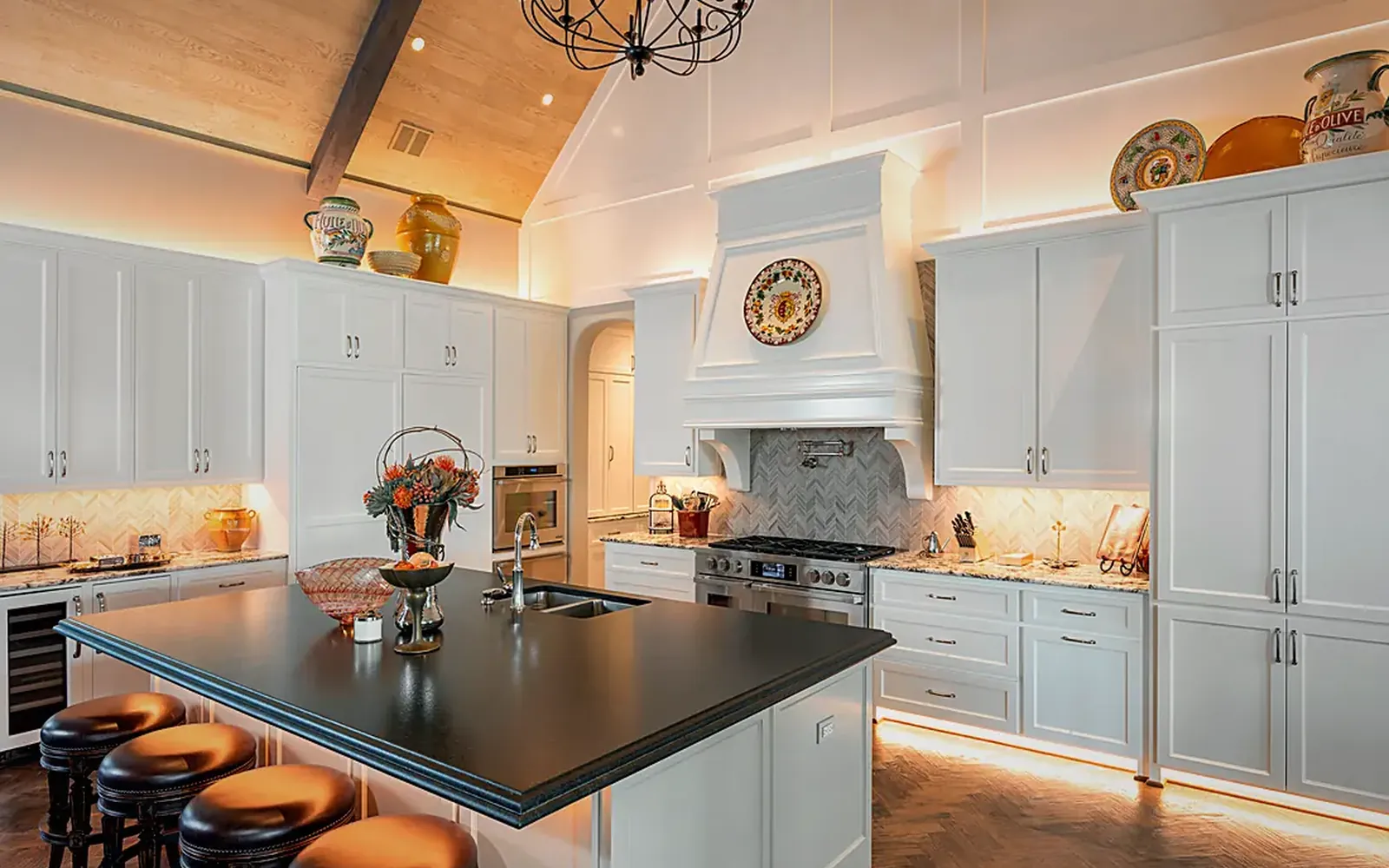
The channel does the rest. An aluminum extrusion holds the tape straight, carries heat away from the chips, and takes a diffuser that blends whatever dots remain into a single line. Depth matters: a shallow channel with a flat lens still shows hotspots; a deeper one with a frosted lens gives the clean line people are picturing. Corners and joins are planned so the light does not go dark where two runs meet. In new construction we work out these recesses with the builder and the architect before framing; a channel that is designed in looks like part of the house, and one stuck on afterward does not.
Color: temperature, CRI and binning
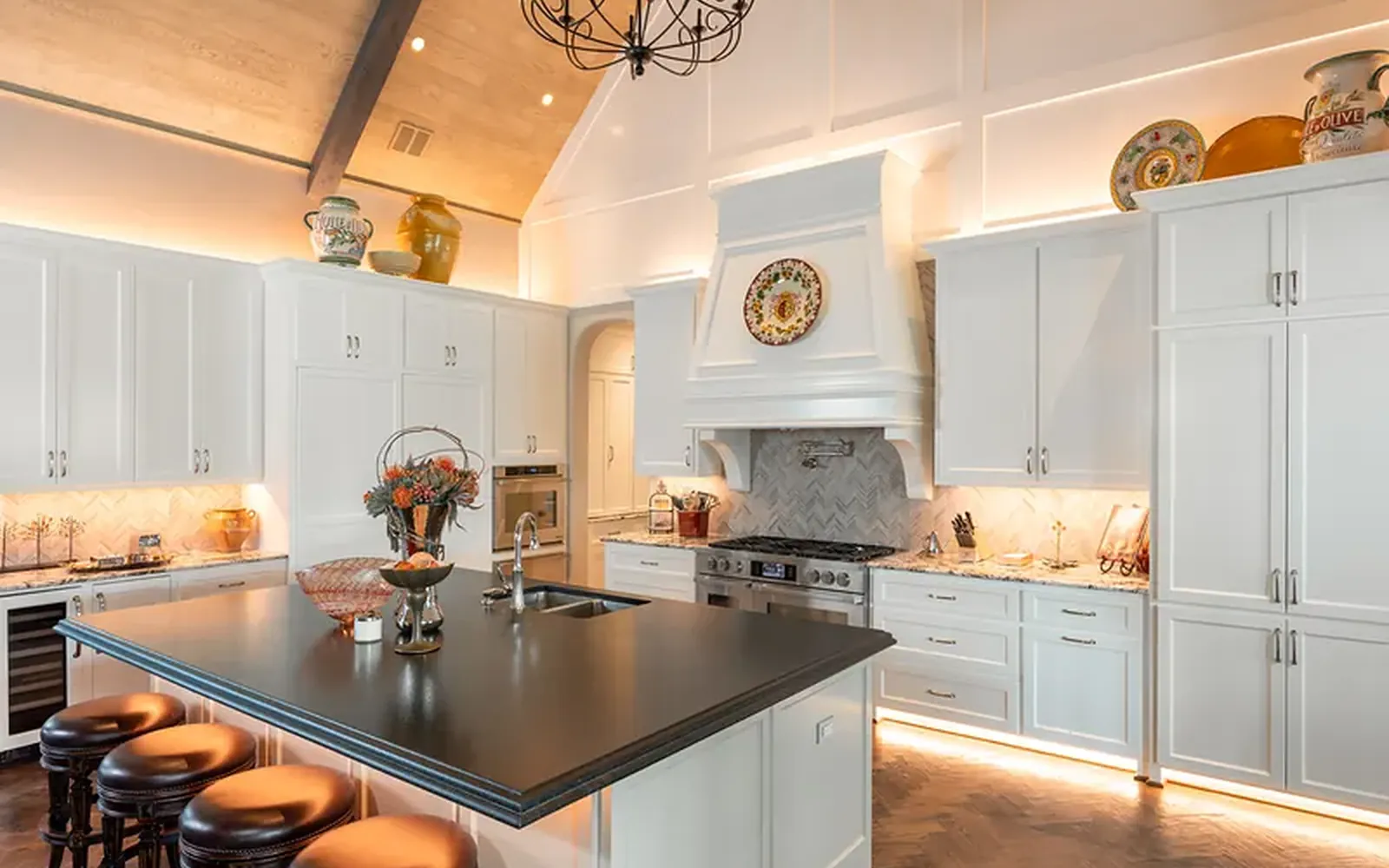
Color temperature is the warmth of the white, written in kelvins. Lower numbers are warmer and closer to incandescent; higher numbers are cooler and bluer. Living spaces usually sit at the warm end, kitchens and work areas a little cooler, and the mistake to avoid is mixing them by accident. A warm cove beside a cool under-cabinet run makes a kitchen look like two rooms.
CRI, the color rendering index, is how faithfully the light shows the colors of what it hits. Cheap tape often scores poorly here, and the symptom is a kitchen where walnut looks gray, food looks flat and a white countertop goes faintly green. High-CRI tape, with a strong red component in particular, makes wood, stone and skin look the way they do in daylight. It is the upgrade most people notice without being able to name it.
Binning is the one nobody explains. LED chips come off the line with small variations in color, and manufacturers sort them into bins. Tight binning means every reel in a project matches. Loose binning means the run left of the sink is slightly pinker than the run on the right, and no dimmer setting can fix it. That consistency, now and years later when a section is replaced, is much of what you pay for.
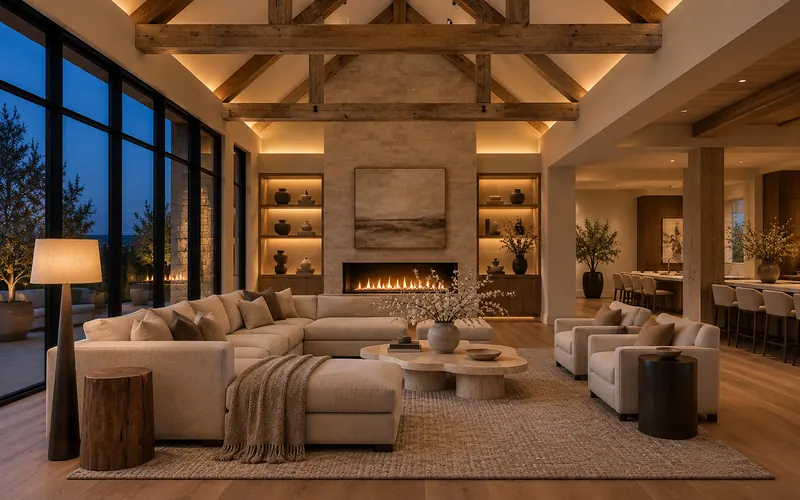
Beyond fixed white there are three useful families. Warm-dim tape shifts warmer as it dims, the way a filament bulb does, which suits bedrooms and living rooms. Tunable white changes temperature on command, so the same cove is crisp in the morning and amber at night; it is the tape behind the whole-home project that earned WH Technologies the NARI North Texas Remodeler of the Year award in 2025. RGBWW tape adds full color for accents and entertaining without compromising the white you use every day. Our article on how light changes the way a home feels explains why the time of day should drive the color.
Output is the last piece, and more is not better. Tape is rated in lumens per foot; a cove wants a fraction of what an under-cabinet task run needs, and too much in a cove paints a bright stripe on the ceiling.
Drivers, dimming and heat
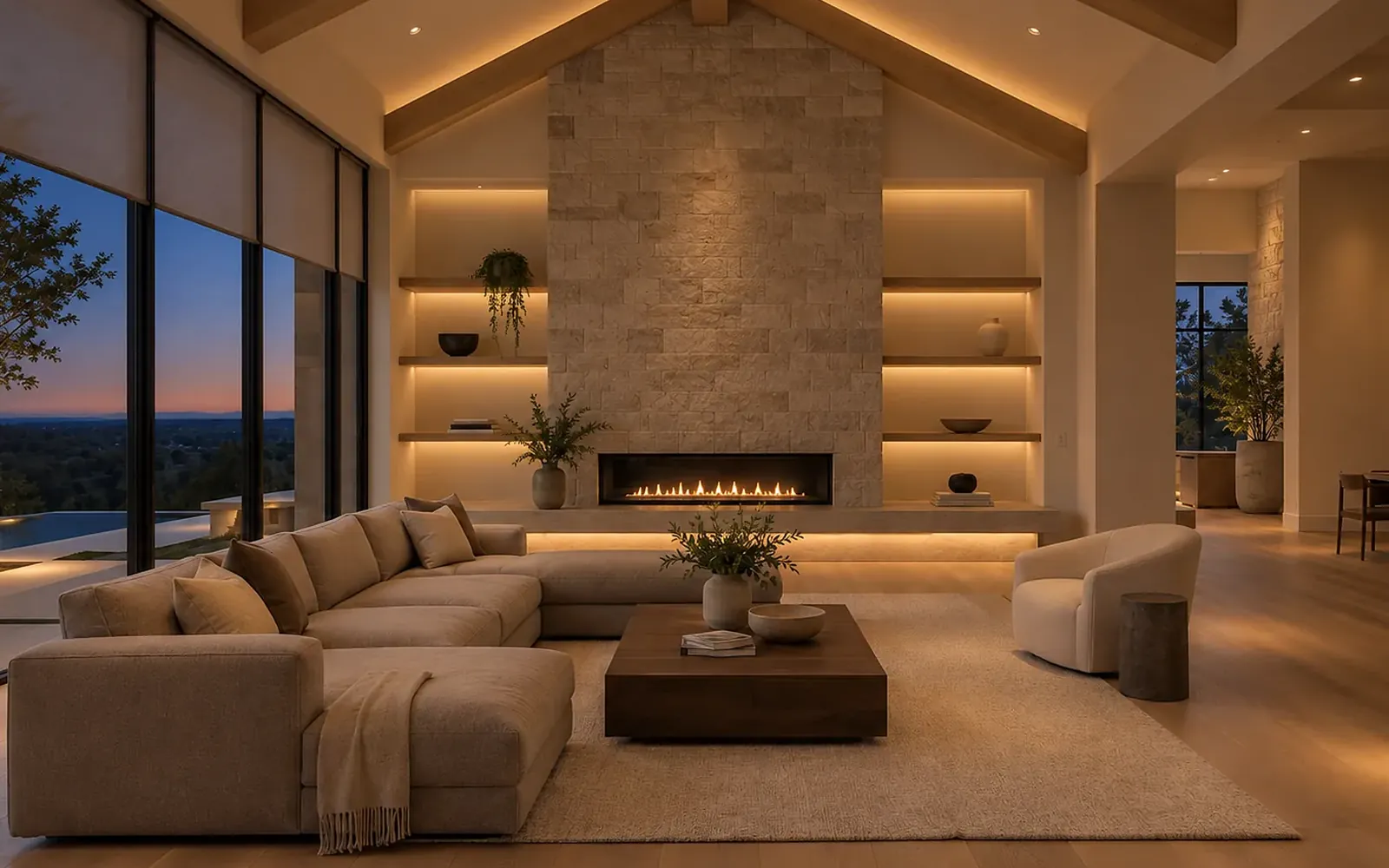
The driver is where cheap systems fail first. It converts household power to the low voltage the tape needs, and a poor one hums, runs hot, flickers at low levels and dies early, usually inside a cabinet where replacing it means pulling trim. A good driver is sized with headroom, mounted somewhere serviceable and matched to the dimmer that will control it. That last point is the one to ask about: a driver and a dimmer not designed for each other will flicker, step, or refuse to go below a certain level. We pair tape with lighting control from Lutron or Savant so the whole chain is tested together and dims smoothly down to a candle glow.
Heat is the quiet killer. LEDs rarely burn out; they fade and shift color as they run warm over the years. Tape stuck directly to wood with no channel, or driven at full current in a closed cove, will look different from a new reel within a few years. Good tape carries more copper, the channel works as a heat sink and the driver is not run at its limit. None of that is visible on day one. All of it is visible on day one thousand.
Specify the tape, the channel, the driver and the dimmer as one system. Whichever part gets chosen separately is where the problem will show up.
The real cost, and the warranty
The reel is the cheapest part of a tape installation. The labor to route low-voltage wiring, set channels, mount drivers and program the dimming is the same whether the tape is good or bad. When a cheap run fails or shifts color, that labor is spent twice, plus trim repair and a hunt for a matching reel. Architectural tape costs more up front and is almost always cheaper by the time the house is five years old.
Warranty is a useful tell. Consumer tape comes with a short warranty, if any, and the driver is often excluded. Architectural product carries a multi-year warranty on the tape and the driver together, backed by a dealer who stands behind the installation. Ask who you call if a run goes dark in year four. If the answer is a web form, keep looking. Outdoor runs deserve the same scrutiny: wet-rated tape, sealed ends and a driver in a protected enclosure are what let exterior lighting survive a North Texas summer.
What to do next
If you are building or remodeling, bring tape lighting into the plan at the drawing stage, alongside the rest of the lighting design, so channel recesses, driver locations and keypad scenes are decided before drywall. If you already live with tape that flickers or no longer matches, the fix is usually the driver and the dimmer, not the whole run. Either way, ask for the spec sheet: CRI, color temperature, lumens per foot, binning tolerance, warranty. If nobody can produce one, that answers the question in the title.
What homeowners automate first, and why it sticks
How light changes the way a home feels
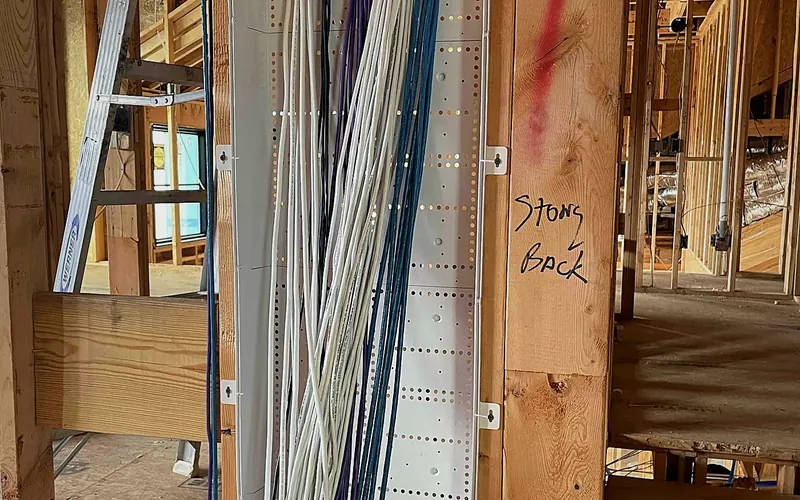
Do smart homes need pre-wiring? What to run before drywall
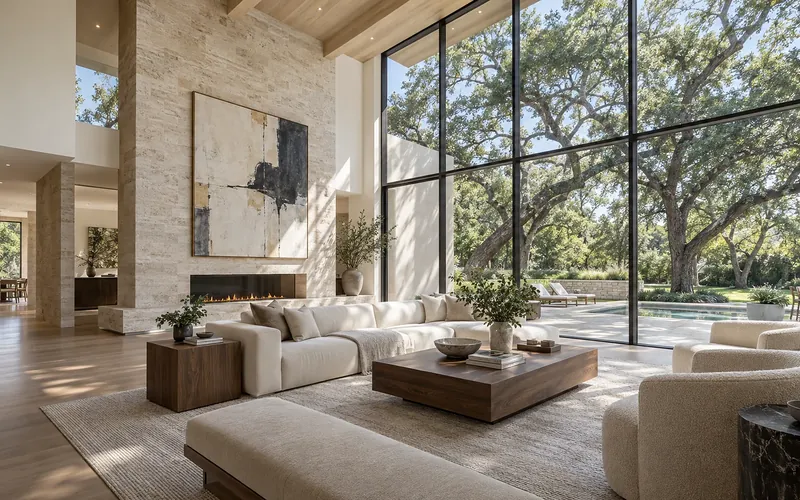
Why lighting design should be your first design decision
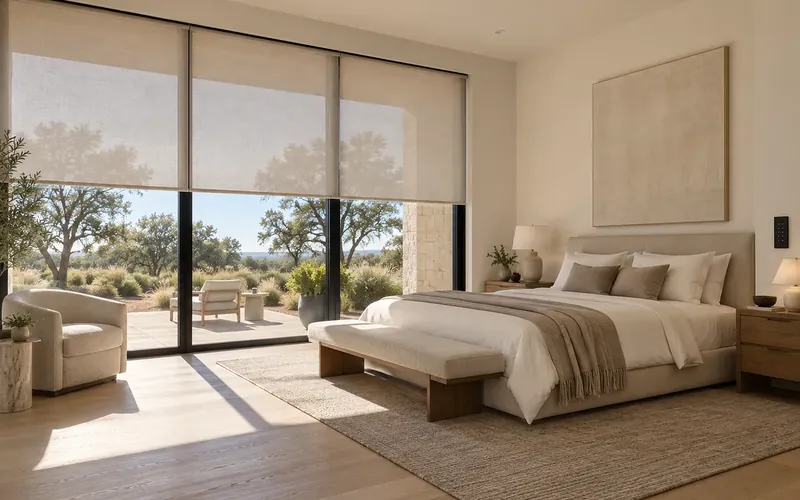
Five ways motorized shades uniquely benefit Texas homes
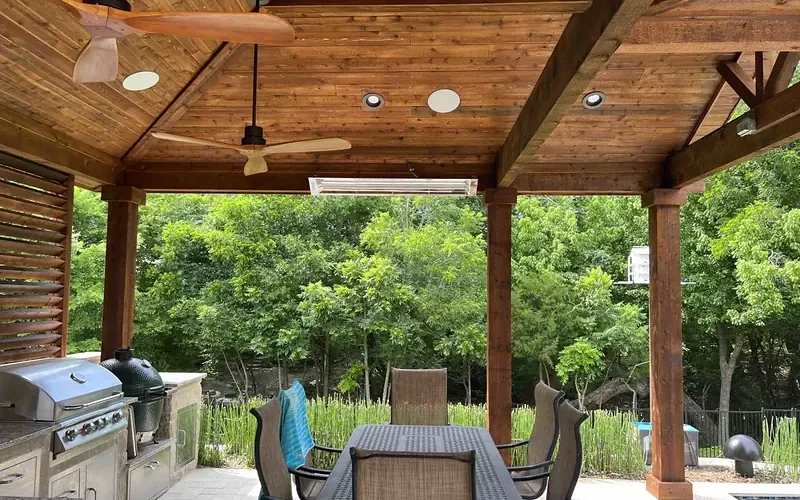
Outdoor audio done right: how many speakers do you really need?
I have a dog. That's enough security, right?
The beginner's guide to energy management for Texas homeowners

Don't count wired out: when hybrid home networks work best
4 critical areas to consider in a home theater design
Why hire a professional for your home theater installation
Why your backyard needs a proper outdoor TV installation
Is it time to upgrade your lighting? Five signs the answer is yes
Why you should trust a professional installer with home automation
Music and light: the two systems that decide how a restaurant feels
Ready for technology that simply works?
Design, installation and support by one team in Allen, serving Dallas-Fort Worth since 2019.