
Most homeowners do not know their lighting is dated. The dimmers mostly work, the bulbs mostly match, and the house looks fine in daylight. Then they spend an evening in a home with a real lighting system and the difference is obvious within a minute. You do not need that visit to find out. Five things you can check in your own living room tonight will tell you whether an upgrade is overdue.
Sign one: dimmers that flicker, buzz or jump
Turn a dimmer slowly from low to high. If the light flickers near the bottom of the range, drops out before it reaches zero, buzzes at the switch or the fixture, or steps up in visible jumps, the dimmer and the lamp are not compatible. Most wall dimmers installed before LEDs became standard were designed for incandescent loads. They expect a simple resistive bulb and a minimum wattage that a handful of LEDs never reaches, so they misbehave.
Swapping bulbs rarely solves it, and swapping dimmers one at a time turns into a long guessing game. The fix is to treat the dimmer, the driver and the fixture as a set. Modern digital or phase-adaptive dimming matched to the fixture gives you smooth, silent dimming all the way down to a candle level, which is the range where evenings actually happen. If you are replacing bulbs constantly, the same mismatch is usually the cause.
Sign two: the same light at every hour
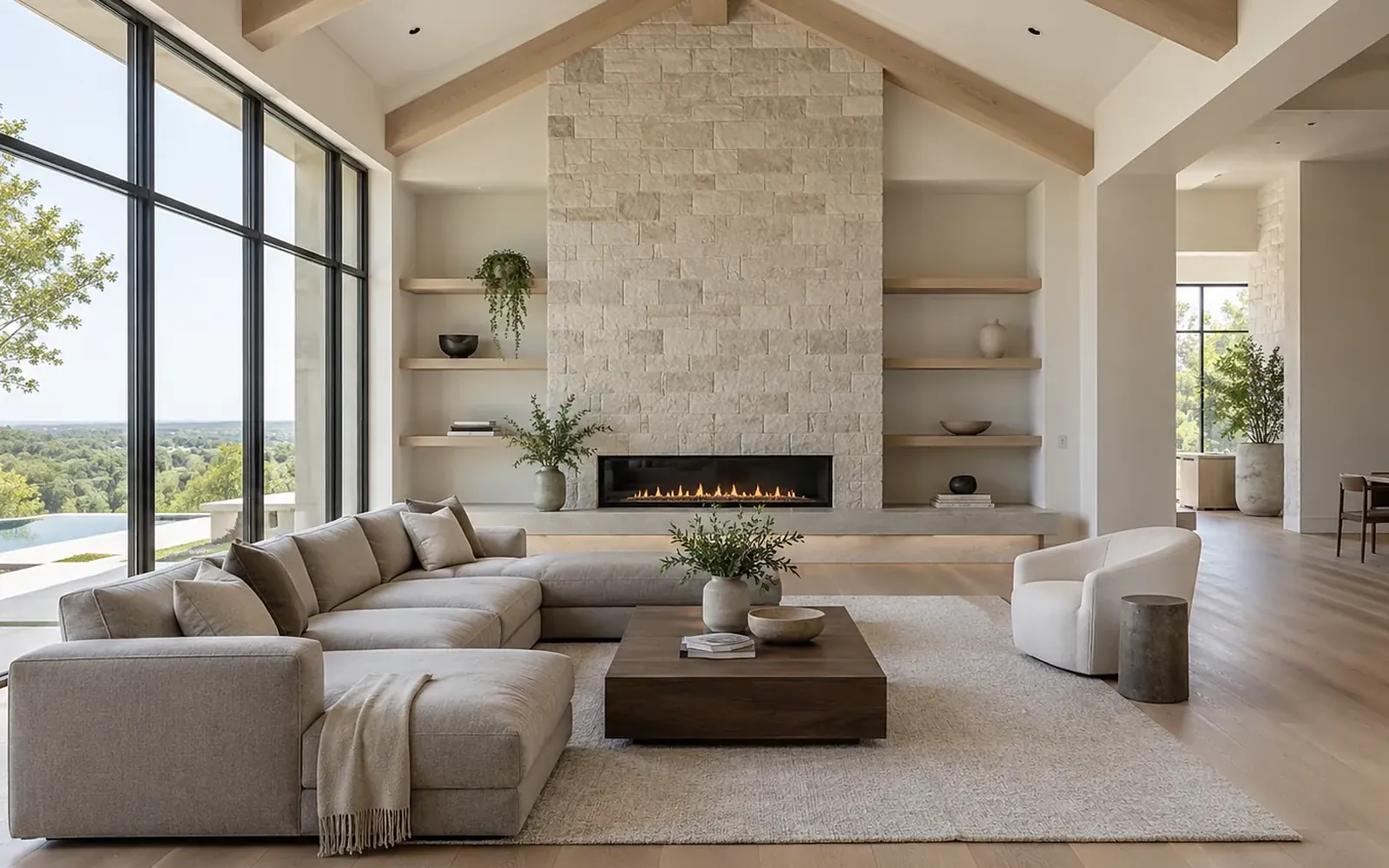
Stand in the kitchen at seven in the morning and again at nine at night and look at the light. In most homes it is identical: the same brightness, the same color, from the same ceiling grid. That is a missed opportunity in both directions. In the morning you want bright, cooler light that helps you wake up and see what you are doing. In the evening the same light is harsh, flattens the room and tells your body it is still midday.
Current systems solve this with two tools. Dimming everywhere, so every circuit can sit at the low levels where living happens, and tunable white, where the color of the light shifts from cool to warm across the day without anyone touching a control. The same button gives you a different kitchen at breakfast and at dinner. We wrote more about why this matters in how light changes the way a home feels. It is the single biggest change people notice after an upgrade, and the one they say they would never give up.
Sign three: a wall of switches and no scenes
Count the switches by the door to your main living space. Four, five, six in a row, with a dimmer or two among them, and probably one that nobody has identified. That bank exists because every circuit got its own control when the house was built, and the only way to set the room was to adjust each one in turn. So nobody does. The room is either all on or all off.
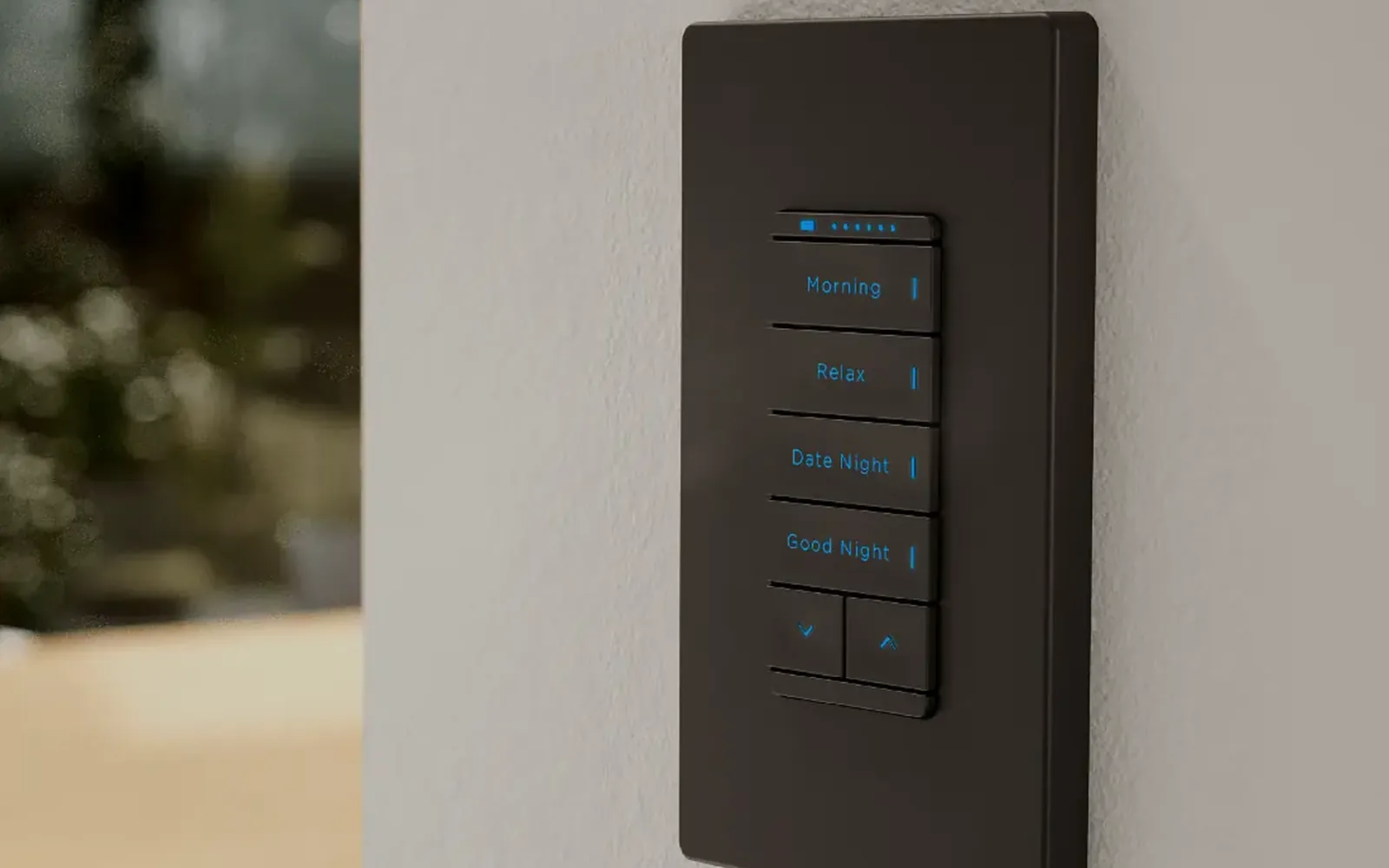
A scene-based system replaces the bank with a single engraved keypad. The buttons read Cook, Dine, Relax, Off, and each one sets every circuit in the room, and the adjoining rooms if you want, to a saved level. Lighting control tied into smart automation goes further: an Off button by the garage door that clears the whole house, a night path that comes on low when someone gets up, exterior lights that follow sunset through the year. If you still walk the house at bedtime turning things off, this is the sign that applies to you.
Signs four and five: dark corners, and heat you pay for twice
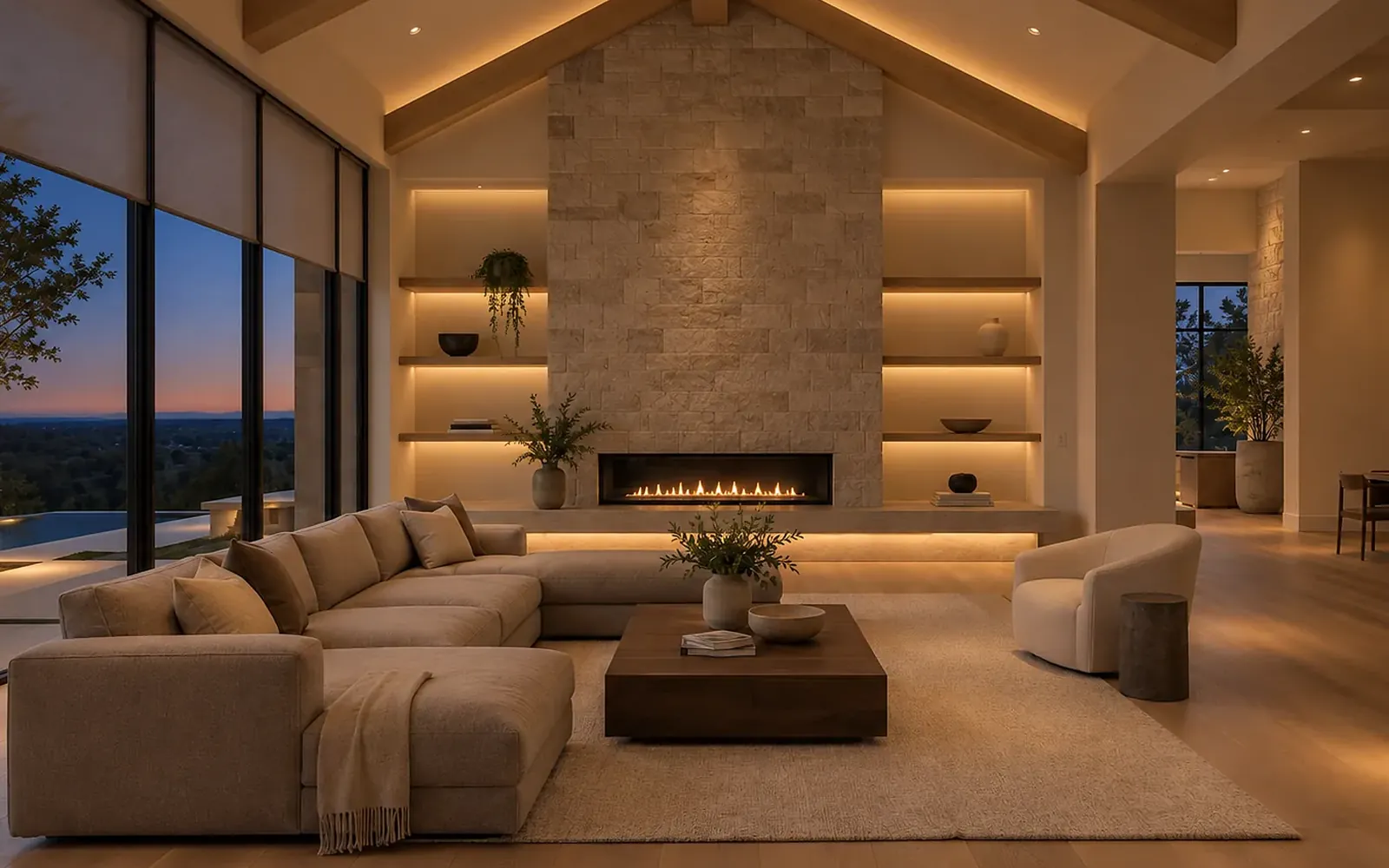
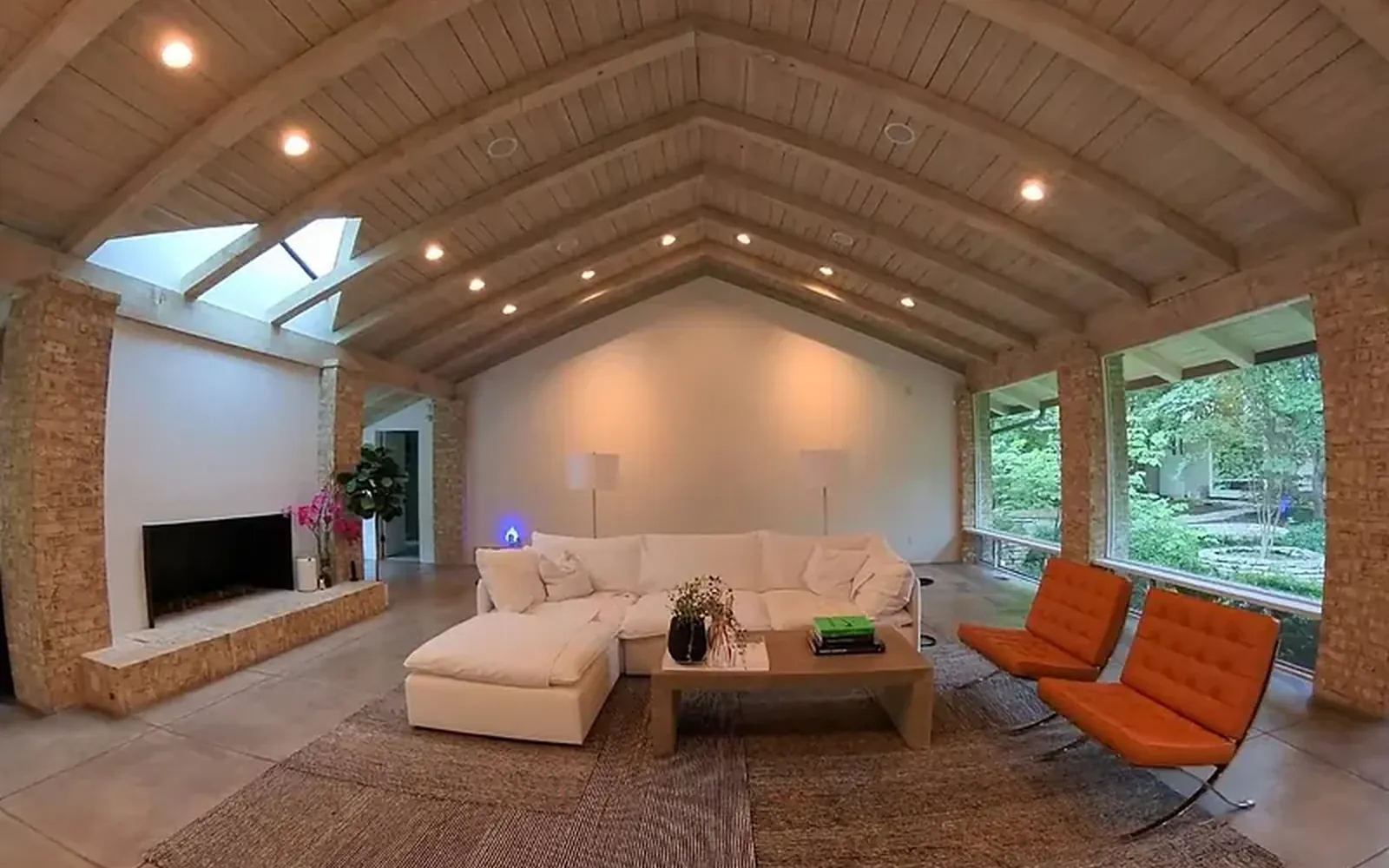
Sign four is what the light is doing to the room. Look for dark corners next to over-bright patches, a grid of large recessed cans that lights the floor and nothing else, glare from the ceiling when you look up from the sofa, and art, stone or a fireplace wall that nothing is pointed at. Older fixtures also render color poorly, so the room looks dull or slightly gray even with everything on. These are design problems, not bulb problems, and they are the reason good lighting is planned in layers: ambient light for the room, task light where you work, accent light on what deserves attention.
Sign five is on the bill. Halogen and incandescent lamps turn most of their energy into heat, and in a North Texas summer that heat is paid for twice: once at the fixture and again at the air conditioner. Lights that cannot be dimmed or scheduled also run at full power for longer than anyone needs them. An LED upgrade with proper control cuts both, and the ceiling stops radiating in August.
What an upgrade actually involves
An upgrade is rarely a demolition. The common path in an existing home runs in roughly this order:
- Fixtures. Slim LED modules drop into the existing can housings and replace oversized cans with small, clean apertures. Where the ceiling allows it, a few of the cans move so the light lands on walls and surfaces instead of the floor.
- New layers. Compact LED tape and small adjustable fixtures add cove light along a vaulted ceiling, light inside shelves and cabinets, under-cabinet task light in the kitchen and a wash on the fireplace stone. Most of this goes in with minimal patching.
- Control. Wireless dimmers and keypads replace the switch banks without new wiring in the walls. Scenes, schedules, sunset timing and the app come with the system.
- Daylight. Where glare and heat come from the windows, motorized shades join the same scenes, so Movie Night lowers the shades as it dims the lights.
Done together, the result is a house that looks like it was designed with light from the start. That is also the reason to plan the work as one lighting design rather than a series of fixture swaps. The order matters: the control system decides which dimmers you need, and the layers decide where the control points go.
Where to start
Walk the house in the evening with the five signs in mind and write down what you find, room by room. That list is the brief. If you are planning a larger remodel, bring it to your architect or designer early, because lighting that is decided before finishes is better and cheaper than lighting added after. We explain why in why lighting design should be your first design decision. For a new build, your builder can bring a lighting designer into the plan stage. In a finished home, a short assessment visit is enough to show which signs apply and what fixing them would involve, usually starting with the rooms you use after dark.
What homeowners automate first, and why it sticks
How light changes the way a home feels
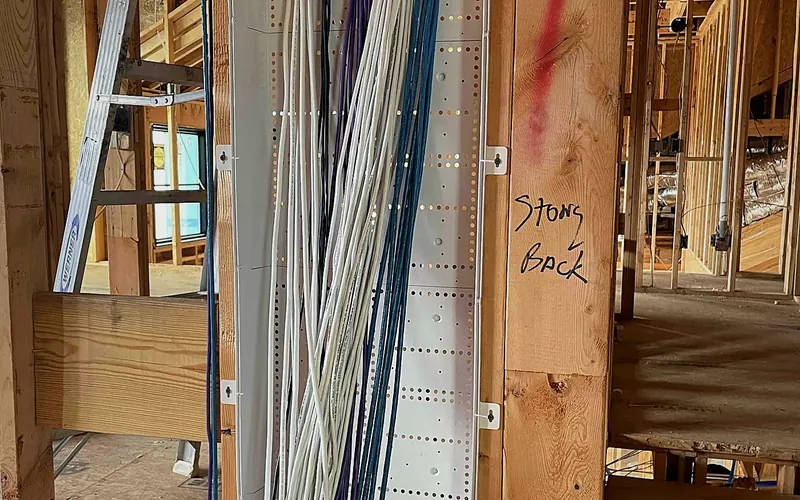
Do smart homes need pre-wiring? What to run before drywall
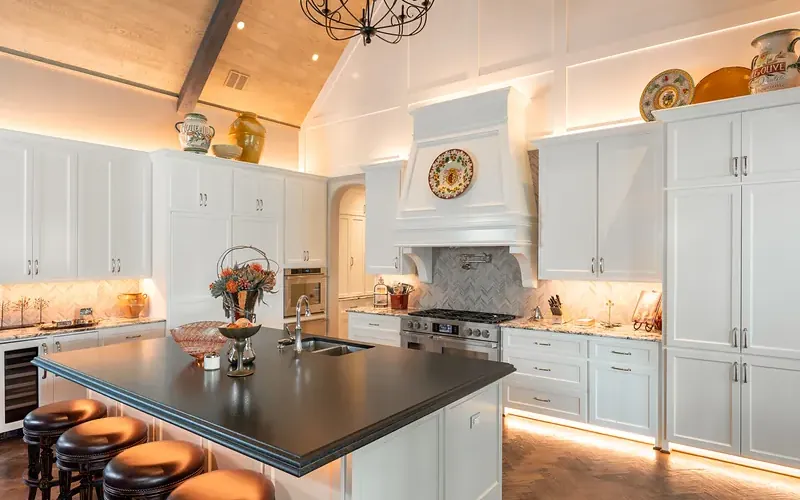
Are all LED tape lights the same?
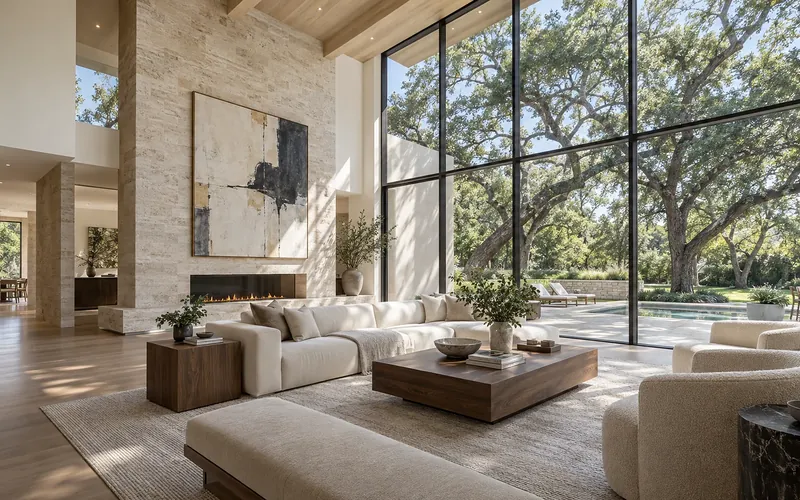
Why lighting design should be your first design decision
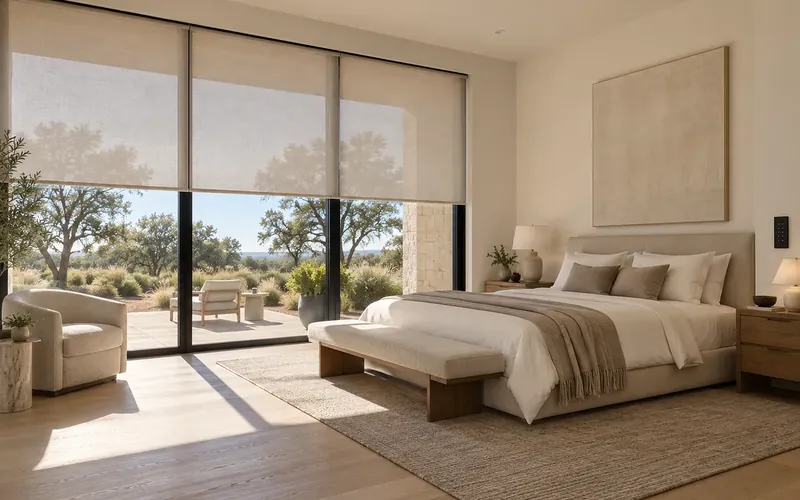
Five ways motorized shades uniquely benefit Texas homes
Outdoor audio done right: how many speakers do you really need?
I have a dog. That's enough security, right?
The beginner's guide to energy management for Texas homeowners
Don't count wired out: when hybrid home networks work best
4 critical areas to consider in a home theater design
Why hire a professional for your home theater installation
Why your backyard needs a proper outdoor TV installation
Why you should trust a professional installer with home automation
Music and light: the two systems that decide how a restaurant feels
Ready for technology that simply works?
Design, installation and support by one team in Allen, serving Dallas-Fort Worth since 2019.