
Ask ten homeowners what a smart home means and you will get ten answers, most of them about gadgets. After seven years and more than 400 installations across Dallas-Fort Worth we see something simpler. The systems people use every single day are not the flashy ones. They are the ones that remove a small, repeated chore: walking the house to turn things off, fighting the afternoon sun, wondering whether the garage door is closed.
This guide walks through what gets automated first in a real home, roughly in the order clients ask for it, and what makes each one worth doing properly rather than piece by piece.
It starts with scenes, not devices
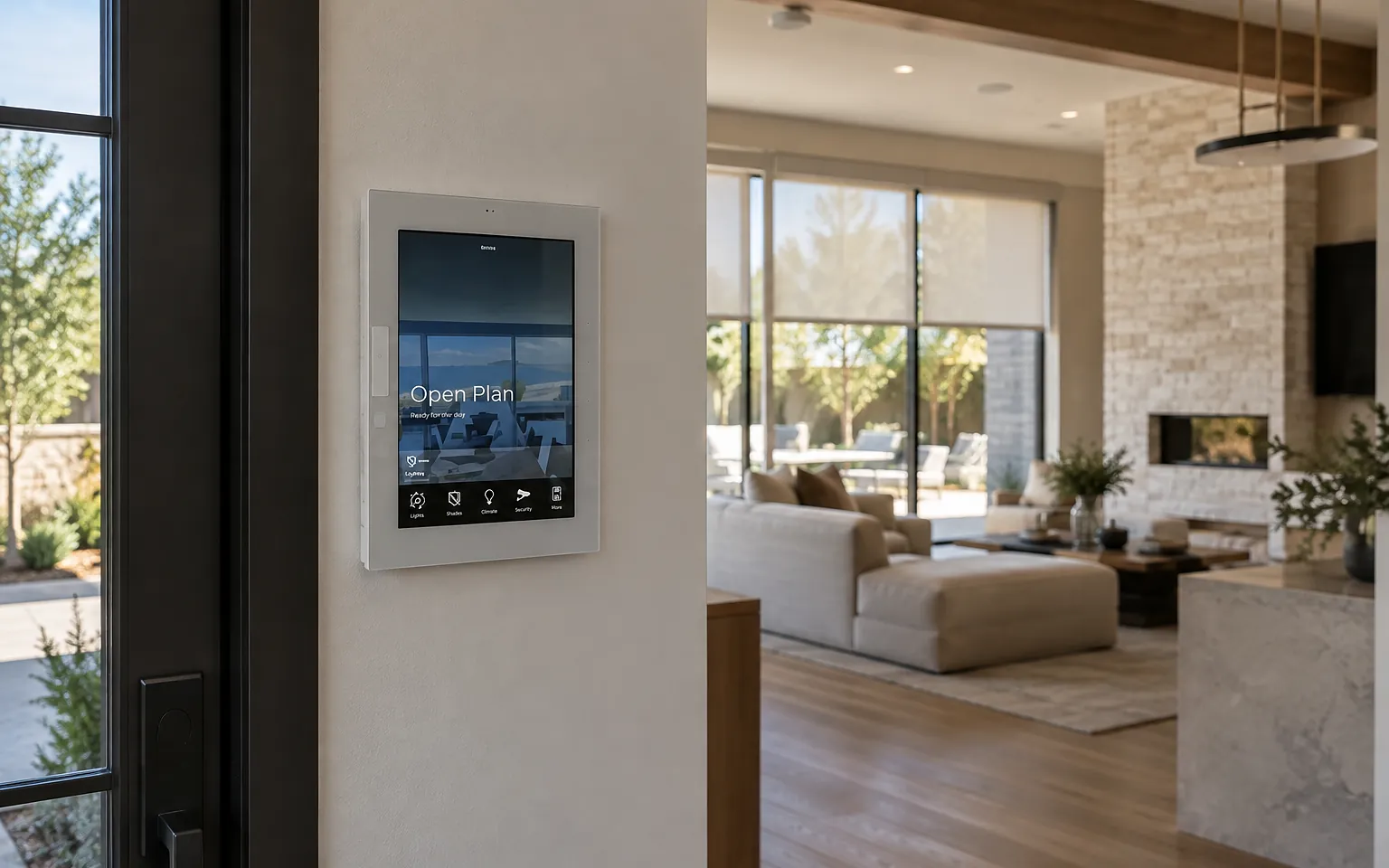
The single biggest shift in how a home feels is not any one product. It is the move from controlling devices to calling up scenes. A scene is a saved state for a whole area: these lights at these levels, the shades here, the music there, the thermostat set back. Instead of six switches by the kitchen door you get one engraved keypad with buttons that read Cook, Dine, Clean and Off.
Once a household has lived with scenes for a week, going back feels like a downgrade. That is why our smart automation projects are designed around a short list of moments in the day rather than a long list of features. The moments come first. The equipment is chosen to serve them.
If a scene needs more than one press, or an explanation, it will not be used. Good automation is boring in the best way.
1. Lighting
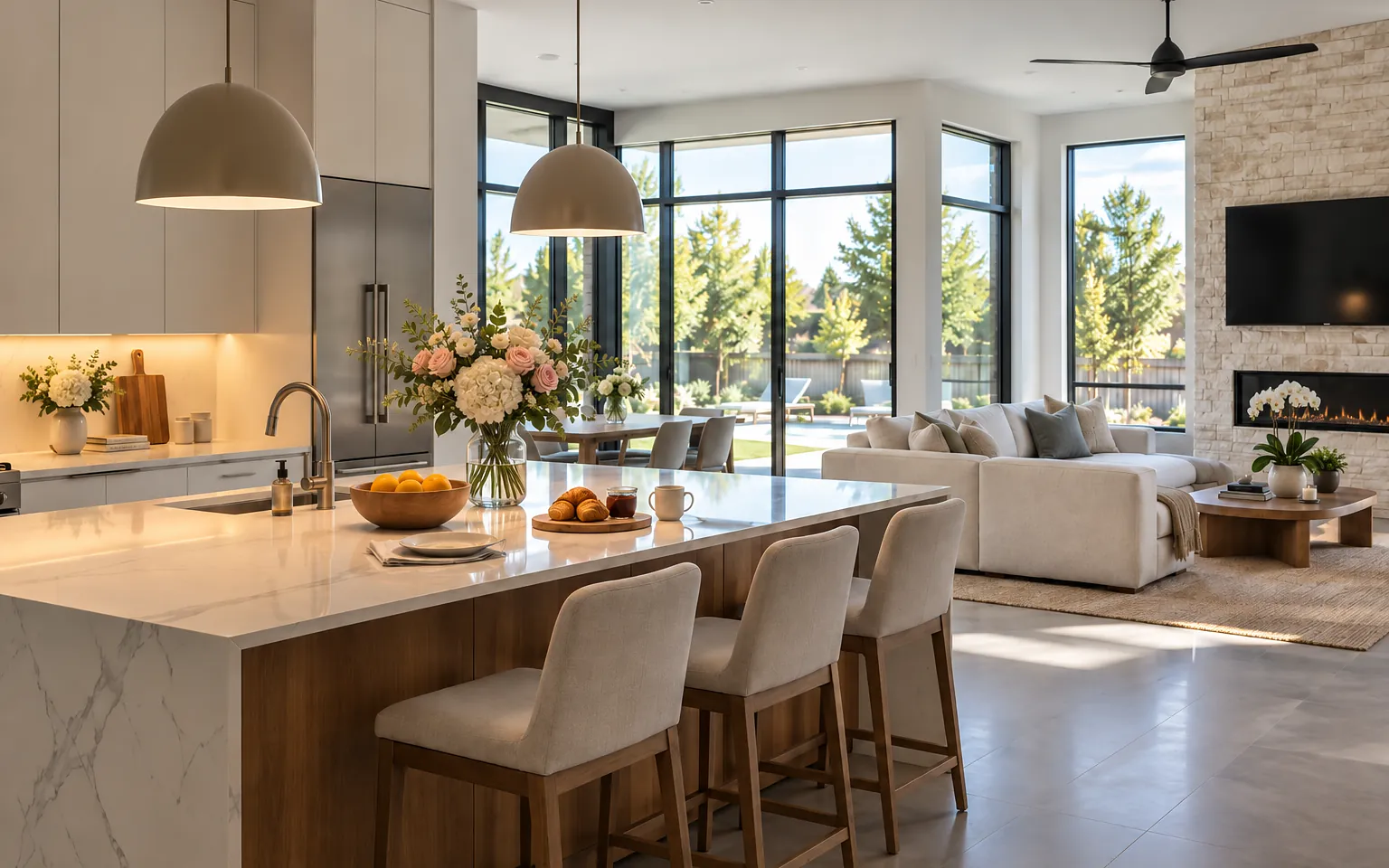
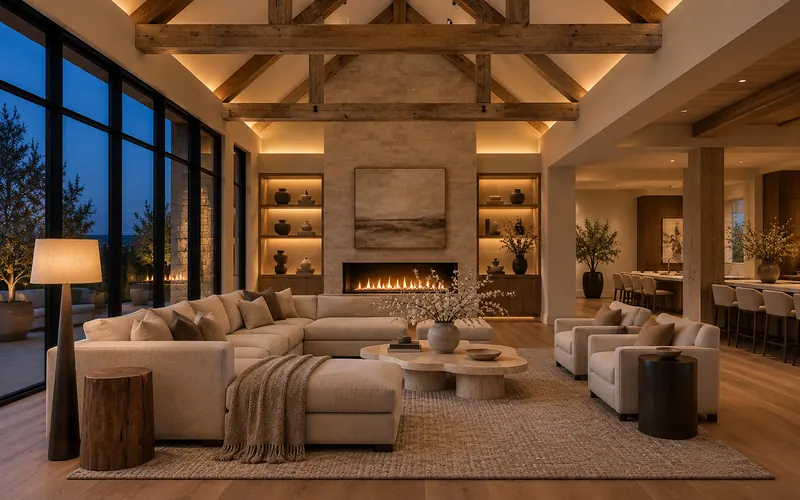
Lighting is almost always the first system a family asks to automate, and it is the one that changes the daily experience the most. A home with a real lighting design has three things a regular home does not: layers, dimming everywhere, and control that knows the time of day.
- Layers. Ambient light for the room, task light for the counter or the desk, accent light for the art, the cove, the shelves. Each layer on its own circuit so scenes can mix them.
- Dimming everywhere. Full brightness is for cleaning. Living happens between 20 and 60 percent, and only dimmable circuits can get there.
- Time awareness. The same Kitchen button gives crisp, brighter light at 7 am and warm, low light at 9 pm. Nobody has to think about it.
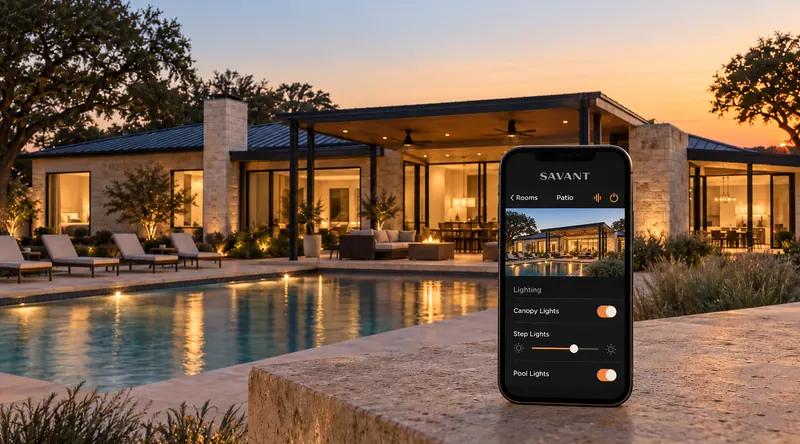
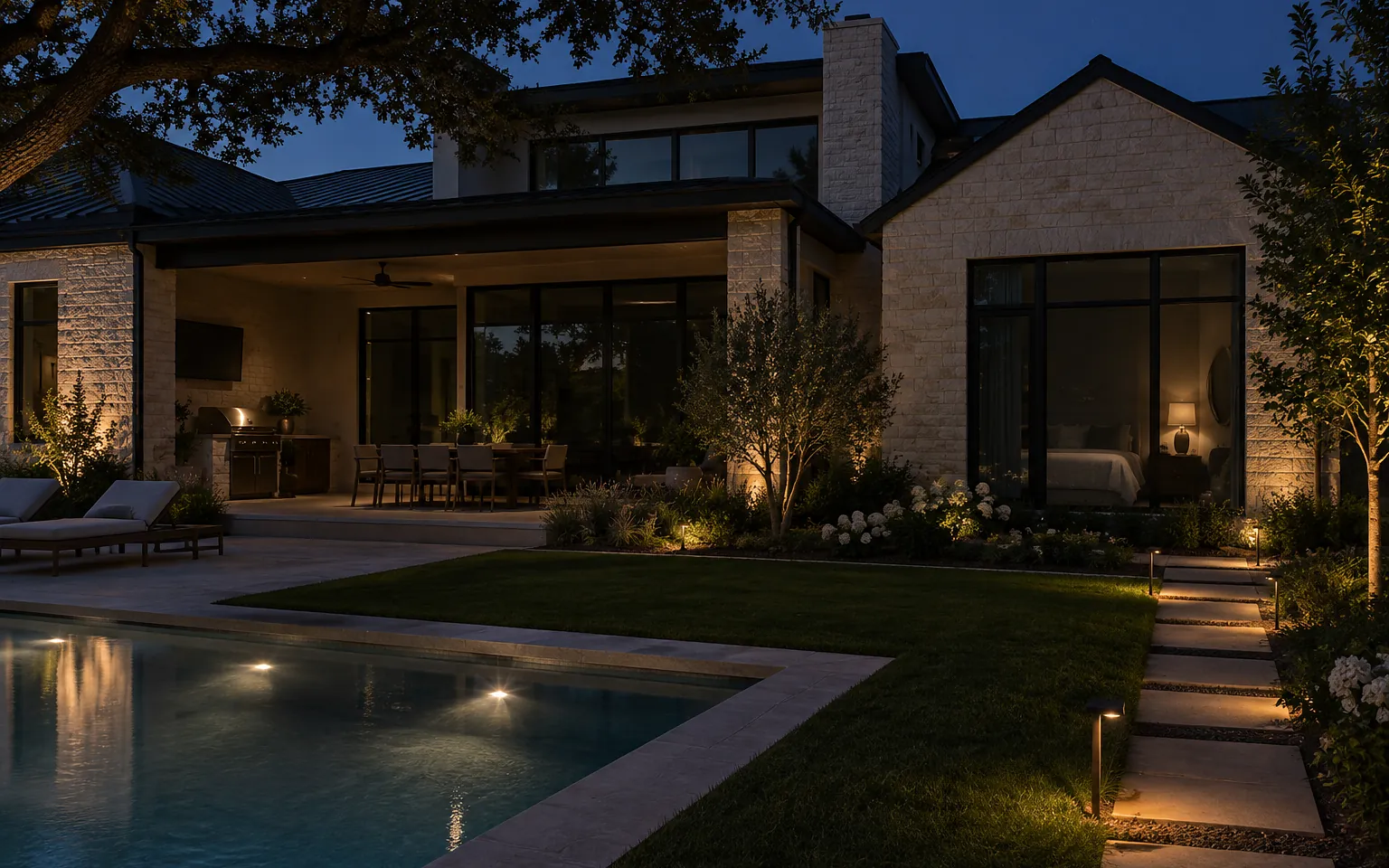
The practical wins are small and constant. Pathway lights that come on at dusk. A single Off button by the garage door. Exterior lights that follow sunset through the year instead of a timer you reset twice a year. Vacation mode that replays your normal evening pattern while you are away.
2. Shades and the Texas sun
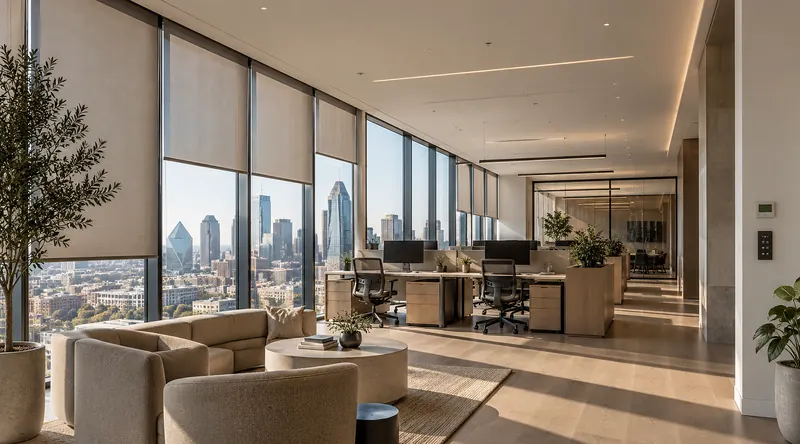
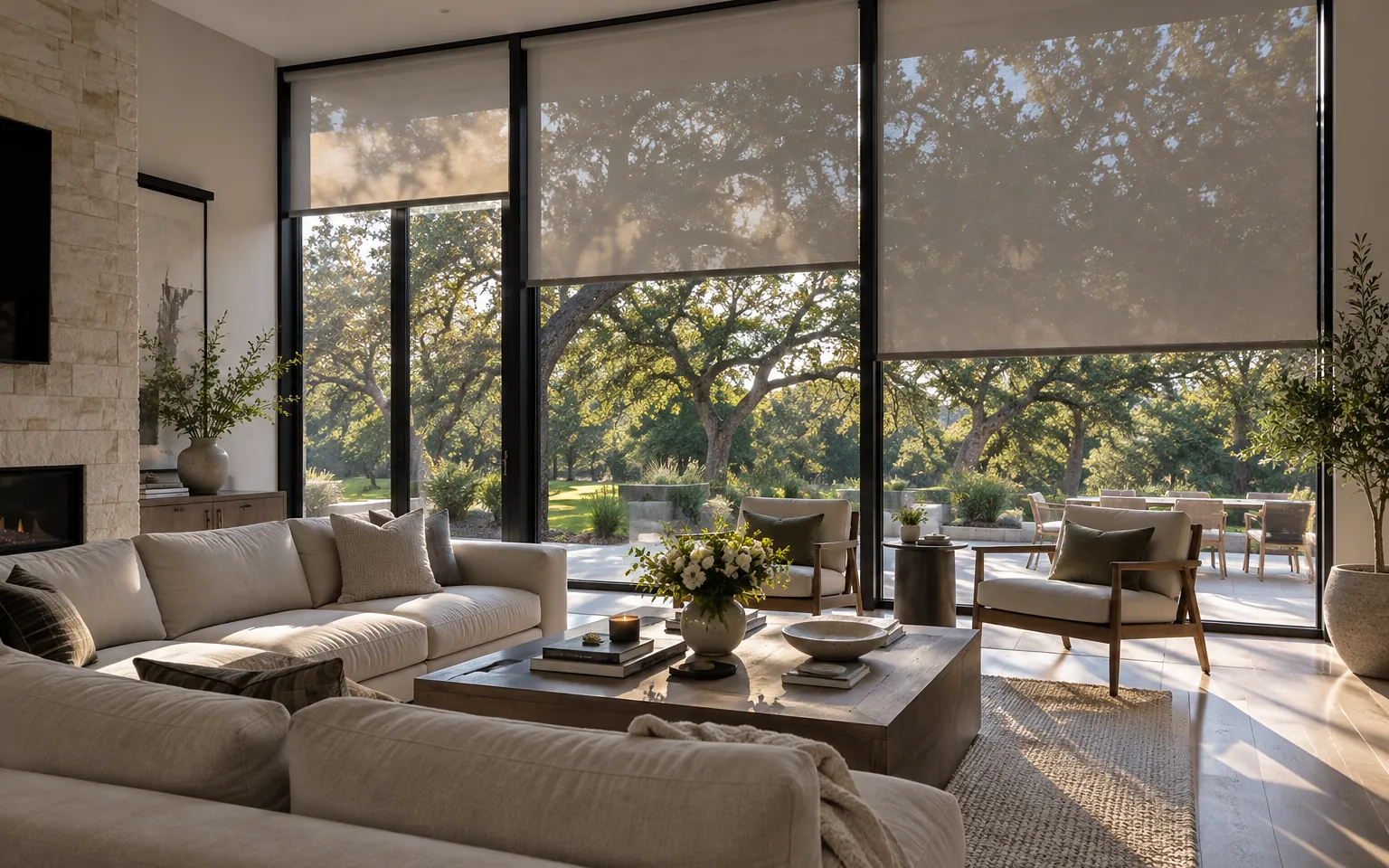
In North Texas the sun is not a mood, it is a load. West-facing glass in August can push a room past what the air conditioning can comfortably hold, and the answer most homes reach for is to close the blinds and live in the dark. Motorized shades solve this the other way around.
Shades on an astronomical schedule track the sun across the day: they lower on the west side in the afternoon, rise again as the sun drops, and close for privacy at dusk. Solar fabrics keep the view while cutting glare and heat. Blackout layers in bedrooms lift with the morning scene so the room wakes up with daylight instead of an alarm.
Because the shades are on the same system as the lights and the thermostat, the scenes work together. Movie Night lowers the shades and dims the lights in one press. Away closes everything and sets the climate back. It is one of the reasons clients who start with lighting almost always add shades within the first year.
3. Climate that follows the house
A smart thermostat on its own is a schedule with an app. Inside a whole-home system it becomes part of how the house behaves. The Away scene sets every zone back. Goodnight drops the bedrooms a couple of degrees. The shades take the heat load before the thermostat has to react to it, which is the difference between a system that is always catching up and one that is calm.
The detail that matters most is zoning. A large DFW home with one thermostat per floor will always have rooms that are wrong. When climate control is designed alongside lighting and shading, the zones, the sensors and the schedules are planned together, and the result is a home that simply feels comfortable without anyone touching a control.
4. Locks, doors and the Goodnight button
The second most requested scene after Off is Goodnight. It locks the doors, closes the garage, lowers the remaining shades, sets the thermostat and turns the house down to a night path of low lights. One press from the bedside keypad, and the walk through the house to check everything is gone.
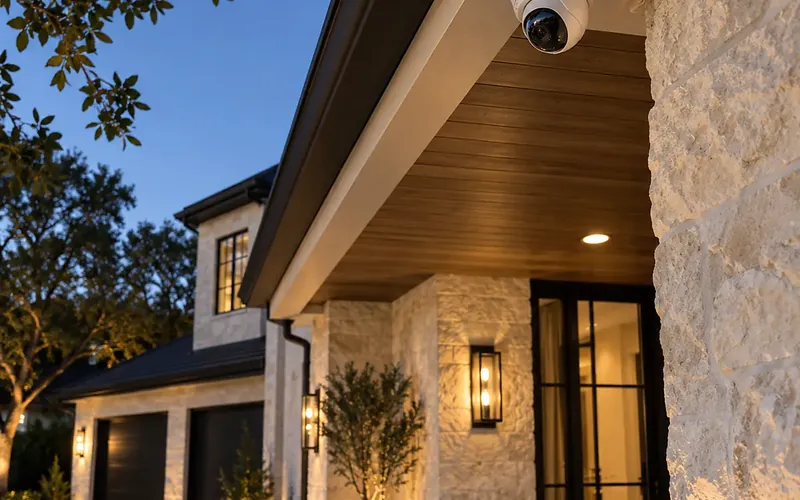
This is where security stops being a separate system with its own app. Door locks, the video doorbell, garage doors and cameras report to the same platform as the lights. If someone rings the bell after dark, the entry lights come up and the feed appears on the nearest screen. When the last person leaves, the house arms itself. The cameras are there for the rare bad day; the automation is what you use every evening.
5. Music and media without the remote pile
The fifth system on most lists is sound. Not a home theater first, although many homes end up with one, but music that is simply available: in the kitchen while cooking, on the patio on a Saturday, low in the bedroom in the morning. Whole-home audio puts flush speakers in the ceiling of each zone, so the music follows you and the equipment disappears.
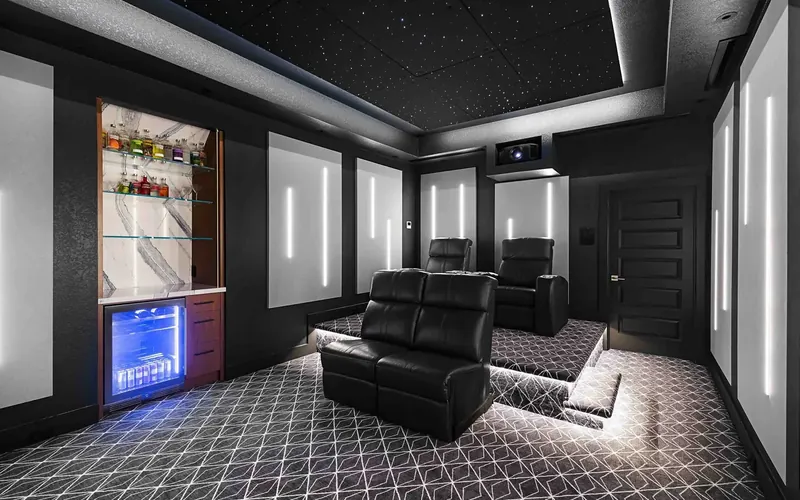
The media side is about the remote pile. A family room with a TV, a streaming box, a soundbar and a game console usually has four remotes and one person who knows the sequence. A single remote or keypad that turns the whole chain on, picks the source and sets the lights is a small thing that gets used every night. For dedicated rooms, our home theater work takes the same idea further, with the room itself designed around the picture and the sound.
The part nobody sees: network and power
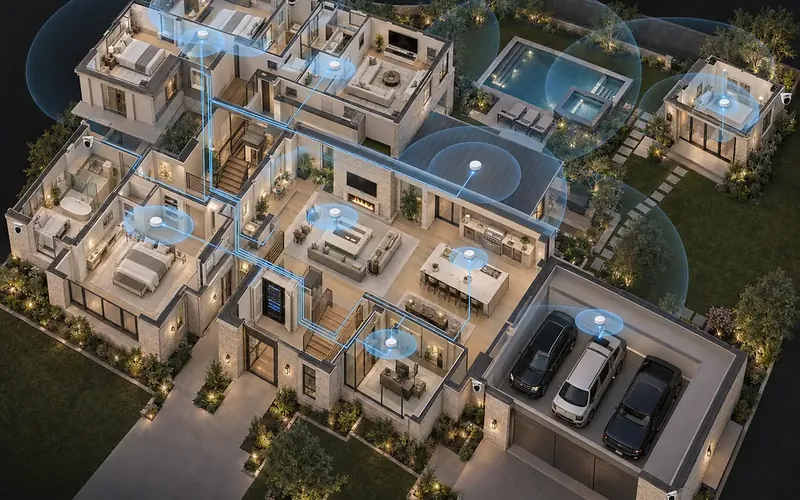
Every system above depends on two things that never appear in the brochure. The first is the network. Shades, keypads, cameras, streaming, video calls and a hundred small devices all share it, and consumer routers were never built for that. A managed, hardwired network with proper wireless coverage is the difference between automation that works for years and automation that needs a reboot every week.
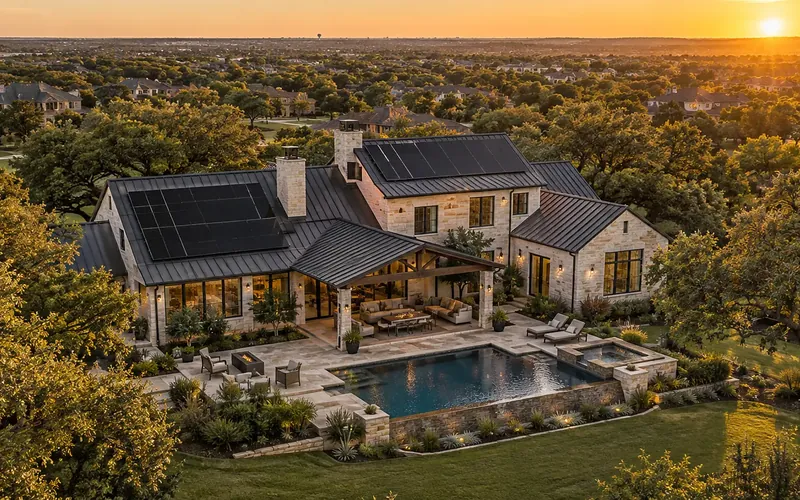
The second is power. Surge protection for the equipment rack, clean power for the electronics, and, increasingly in Texas, backup power so the essentials stay on when the grid does not. Homes with an electric vehicle add charging to the same plan, so the garage circuit, the charger and the energy monitoring are designed together instead of bolted on.
Five scenes almost every home ends up with
Names vary from family to family, but the same five moments appear in nearly every project we hand over:
- Good Morning. Bedroom shades up, bathroom and kitchen light at a bright, cool level, music low, thermostat to the day setting.
- Away. Everything off, shades closed where privacy matters, climate set back, doors locked, system armed. One press by the garage door.
- Welcome Home. Triggered by the garage door after dark: entry and kitchen lights on, the house at a comfortable level before you reach the door.
- Entertain. Living, dining, kitchen and patio in a warm evening scene, music in the social zones, shades set for the view.
- Goodnight. Described above. The one everyone remembers to use.
New build or retrofit?
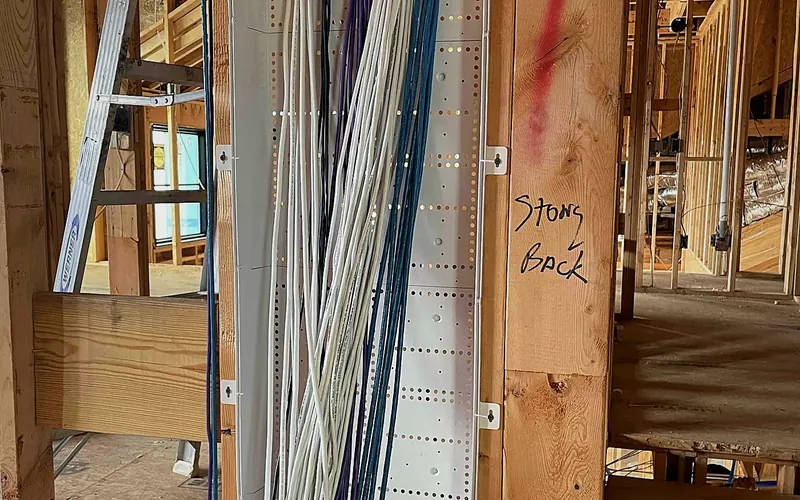
The cheapest moment to plan any of this is before the drywall goes up, which is why we work with builders and architects from the design stage. Wiring for keypads, shades, speakers and a proper network costs a fraction of what it does once the walls are closed.
That said, most of what is described here can be done in an existing home. Wireless lighting control, battery or discreetly wired shades and a network upgrade can transform a house without opening walls. The order of work is the same: start with the moments that matter, then choose the systems. Our residential overview shows how the pieces fit together in a typical DFW home.
How light changes the way a home feels
Do smart homes need pre-wiring? What to run before drywall
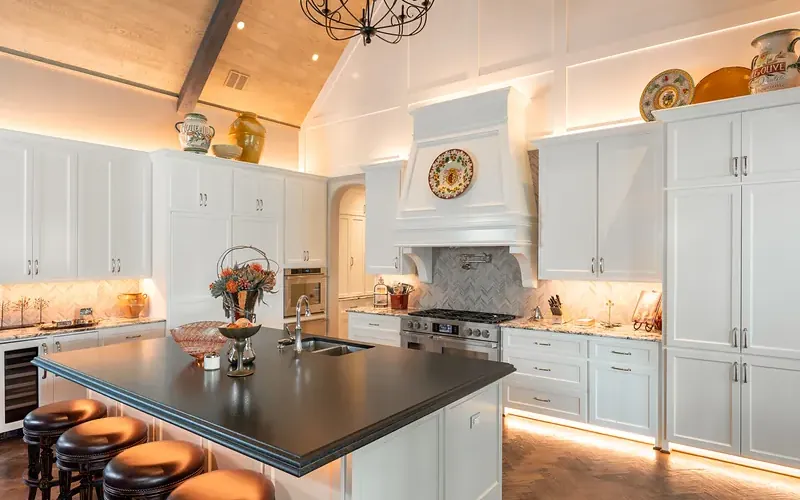
Are all LED tape lights the same?
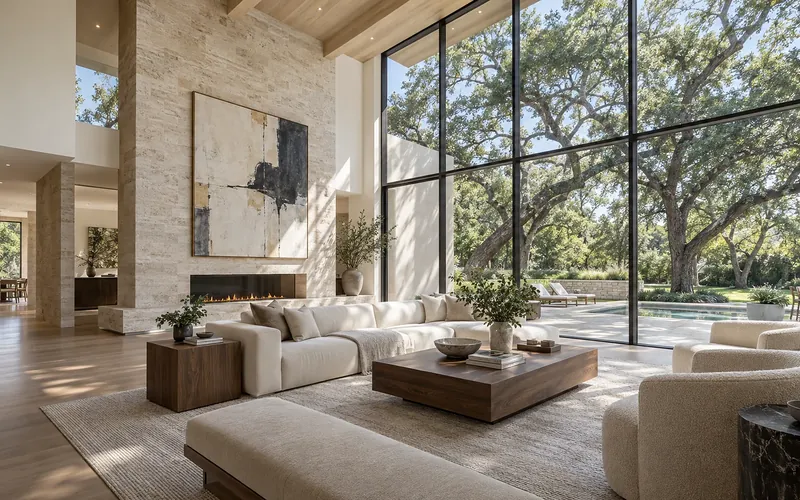
Why lighting design should be your first design decision
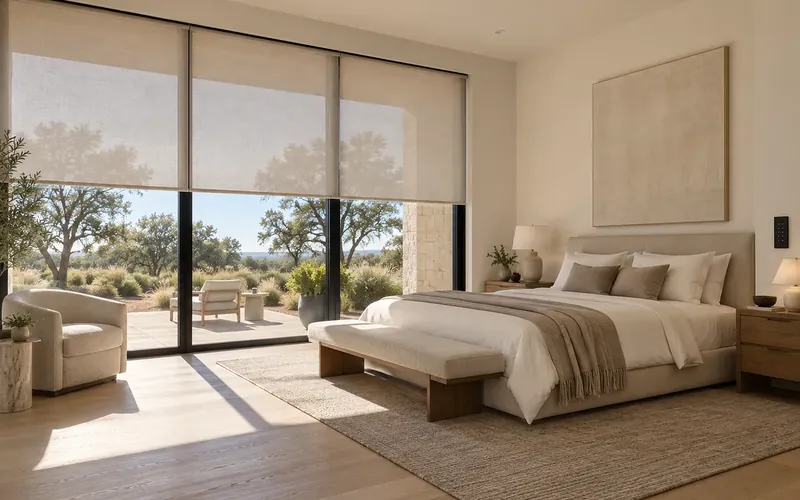
Five ways motorized shades uniquely benefit Texas homes
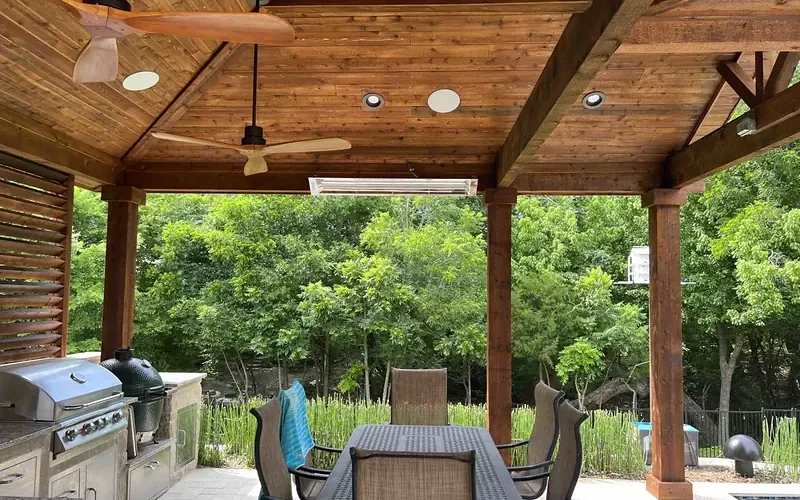
Outdoor audio done right: how many speakers do you really need?
I have a dog. That's enough security, right?
The beginner's guide to energy management for Texas homeowners
Don't count wired out: when hybrid home networks work best
4 critical areas to consider in a home theater design
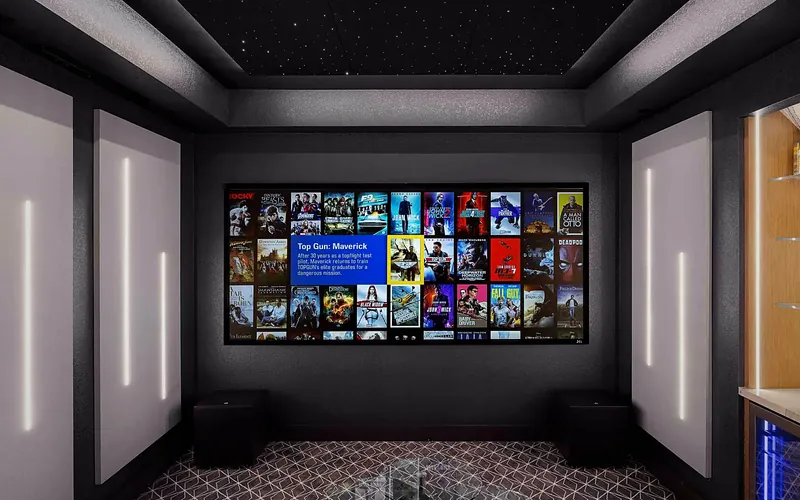
Why hire a professional for your home theater installation
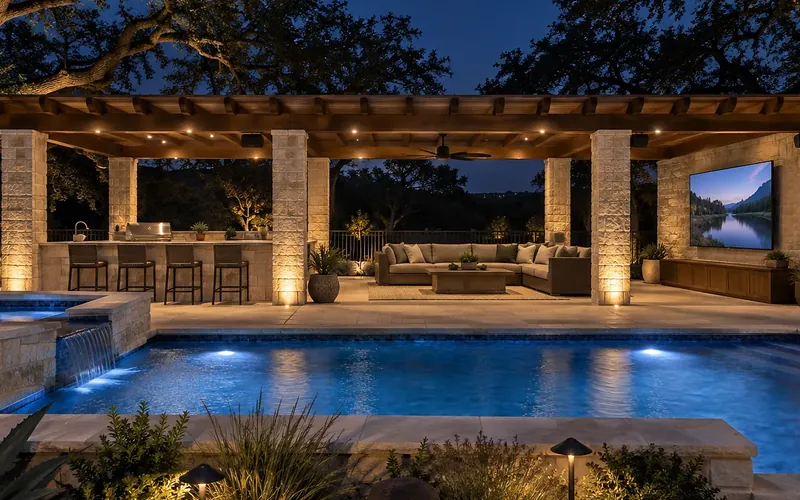
Why your backyard needs a proper outdoor TV installation
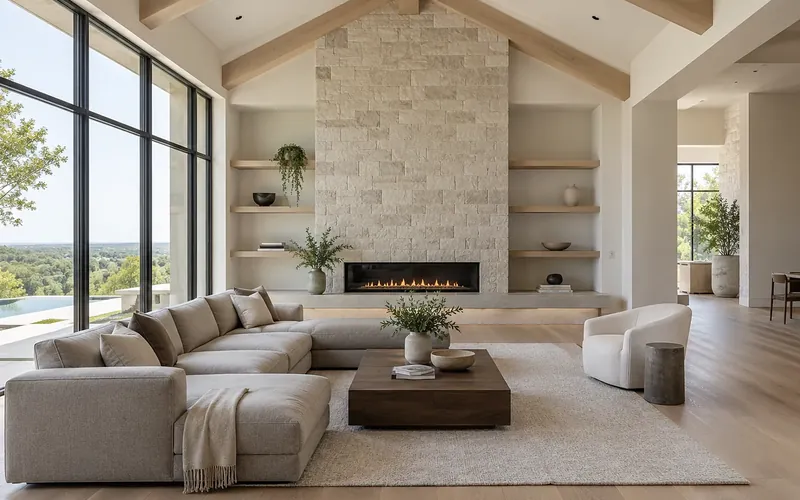
Is it time to upgrade your lighting? Five signs the answer is yes
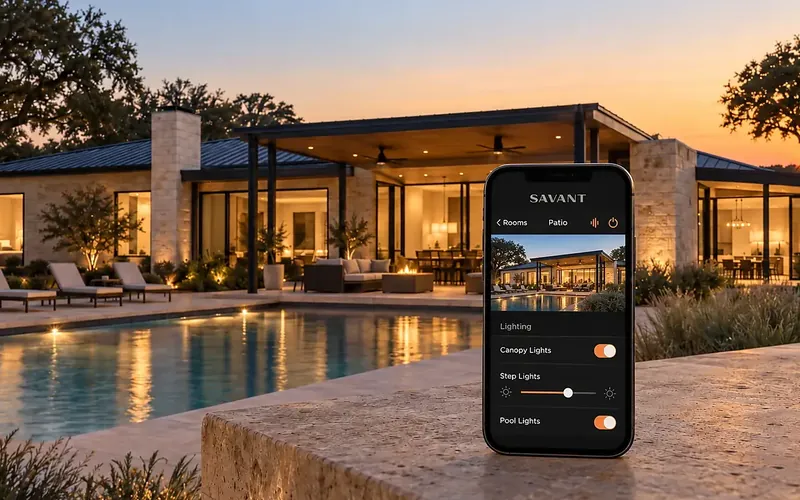
Why you should trust a professional installer with home automation
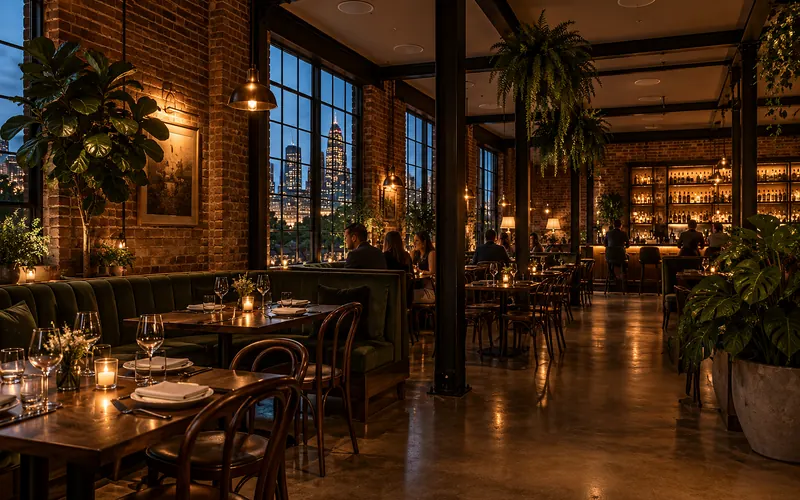
Music and light: the two systems that decide how a restaurant feels
Ready for technology that simply works?
Design, installation and support by one team in Allen, serving Dallas-Fort Worth since 2019.