
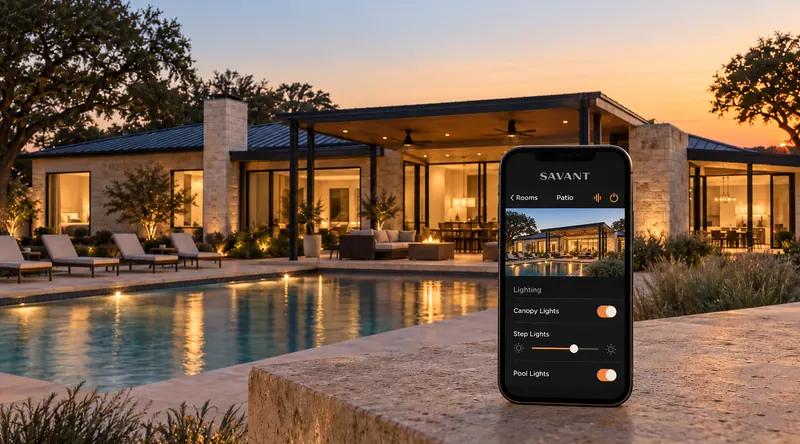
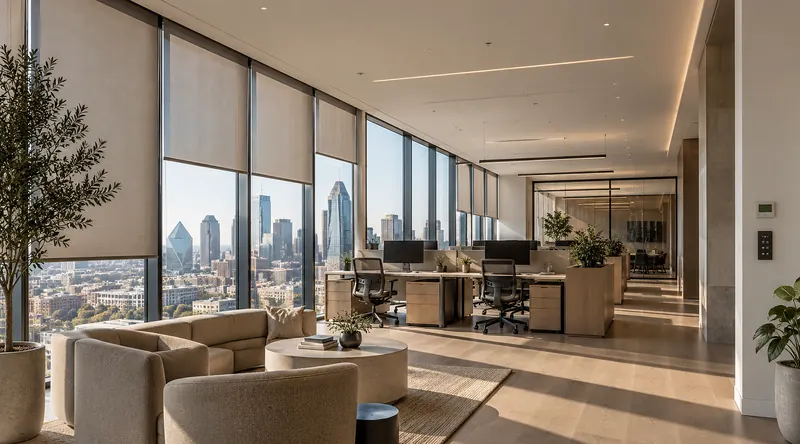
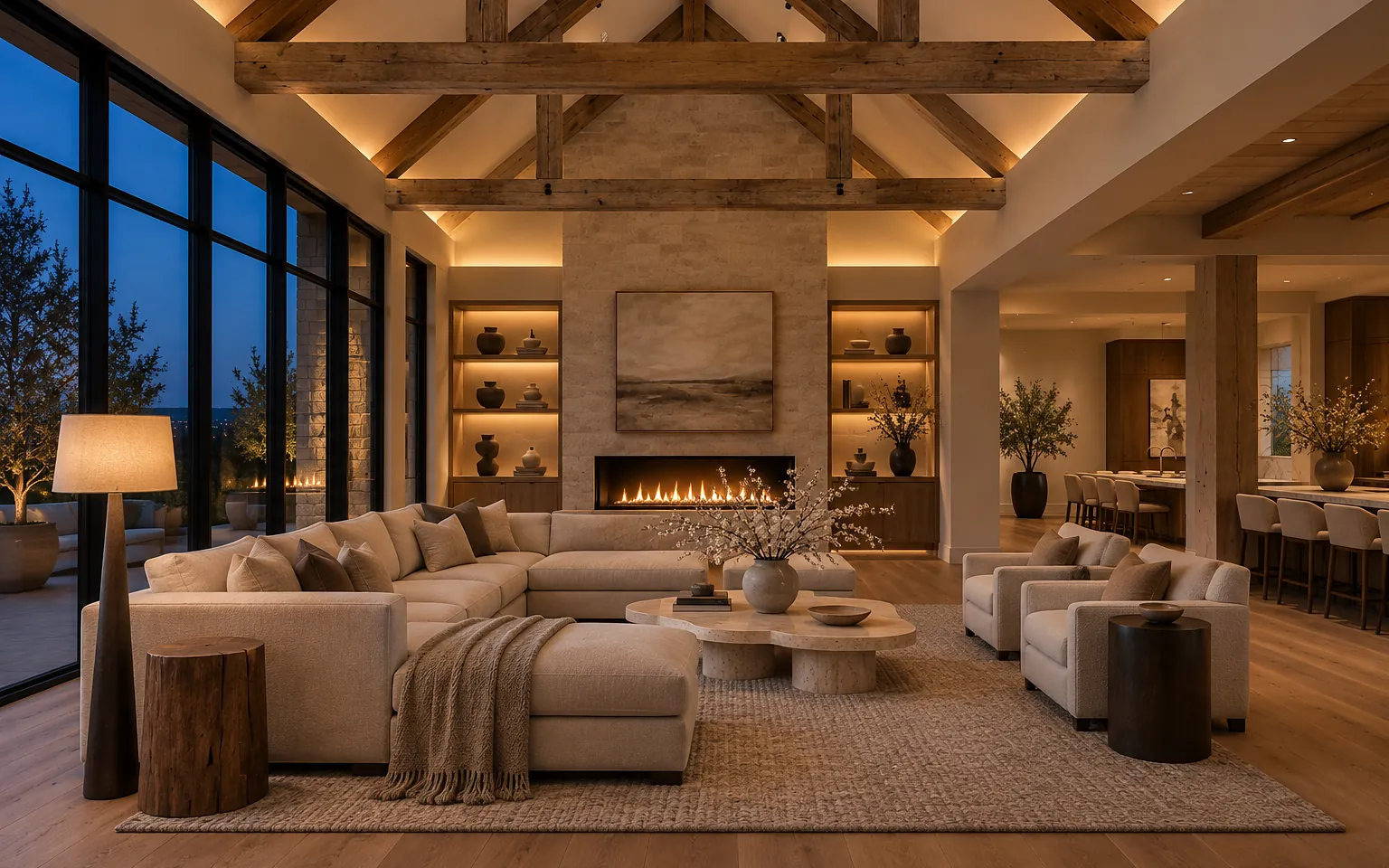
Walk into a room at night where every ceiling light is on at full brightness and you feel it before you can name it. Flat, a little tense, ready for a task rather than an evening. Walk into the same room lit by a cove glow, a lamp and a low pendant over the table and your shoulders drop. Nothing about the room changed except the light.
That reaction is not taste. It is biology, and it is the reason lighting design has become the most requested part of the homes we work on. This article explains what light does to the people living under it, and how to design a home that feels right at seven in the morning and at ten at night.
Your body keeps time by light
The human body runs on a daily rhythm, and the main signal that sets it is light entering the eye. Bright, blue-rich light in the morning tells the body the day has started: alertness rises, and the internal clock is set for the day. Warm, dim light in the evening signals the opposite, letting the body wind down toward sleep.
For most of history that signal came from the sun and then from fire and candles, so the pattern took care of itself. Modern homes broke it. We spend the day indoors under light that is often too dim to count as daytime, then the evening under ceiling fixtures that are too bright and too cool to count as night. The result is familiar: sluggish mornings, wired evenings, and a bedroom that never quite feels restful.
A well-designed lighting system puts the pattern back. Not by adding more fixtures, but by controlling color, level and timing in every room.
Three layers, not one switch
Designers talk about three layers of light, and the language is useful because it explains why a single ceiling fixture never feels good:
- Ambient light fills the room. Recessed downlights, cove lighting, indirect light bounced off the ceiling.
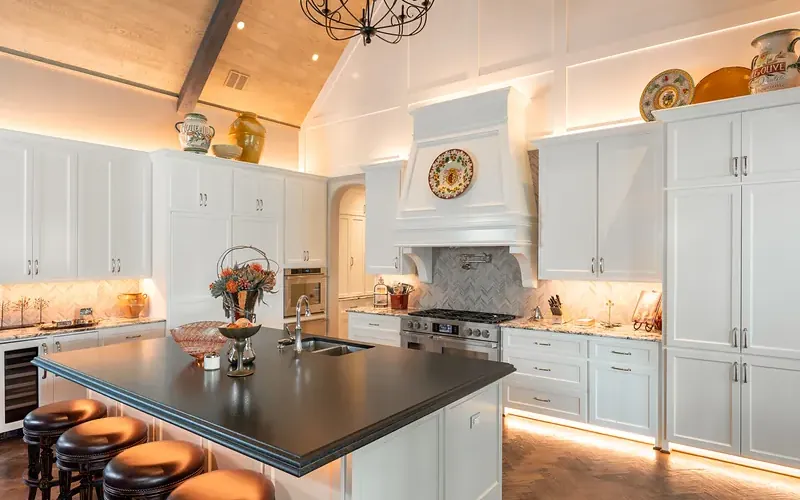
- Task light is for doing things: under-cabinet strips over the counter, a reading light by the chair, mirror lighting in the bathroom.
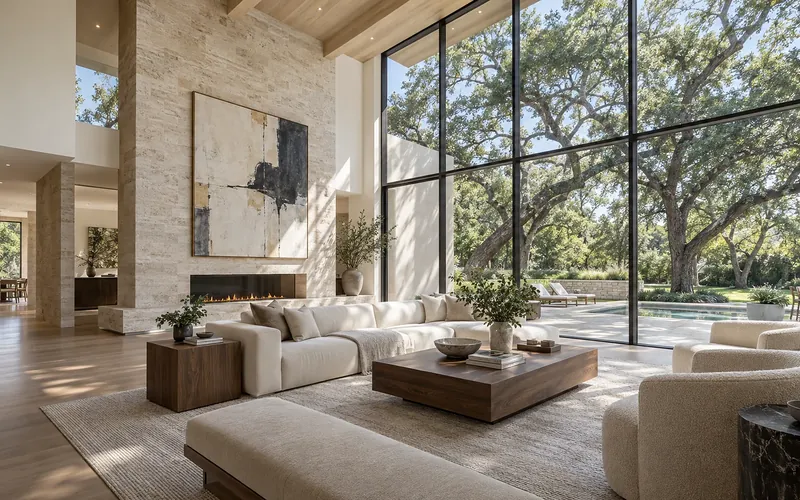
- Accent light gives the room depth: a wash on a stone wall, a picture light, a glow inside the shelves.
A room with all three on separate dimmable circuits can be a kitchen at breakfast, a workspace at noon and a dinner setting at eight, using the same fixtures. A room with one switch can only be on or off.
The evening problem
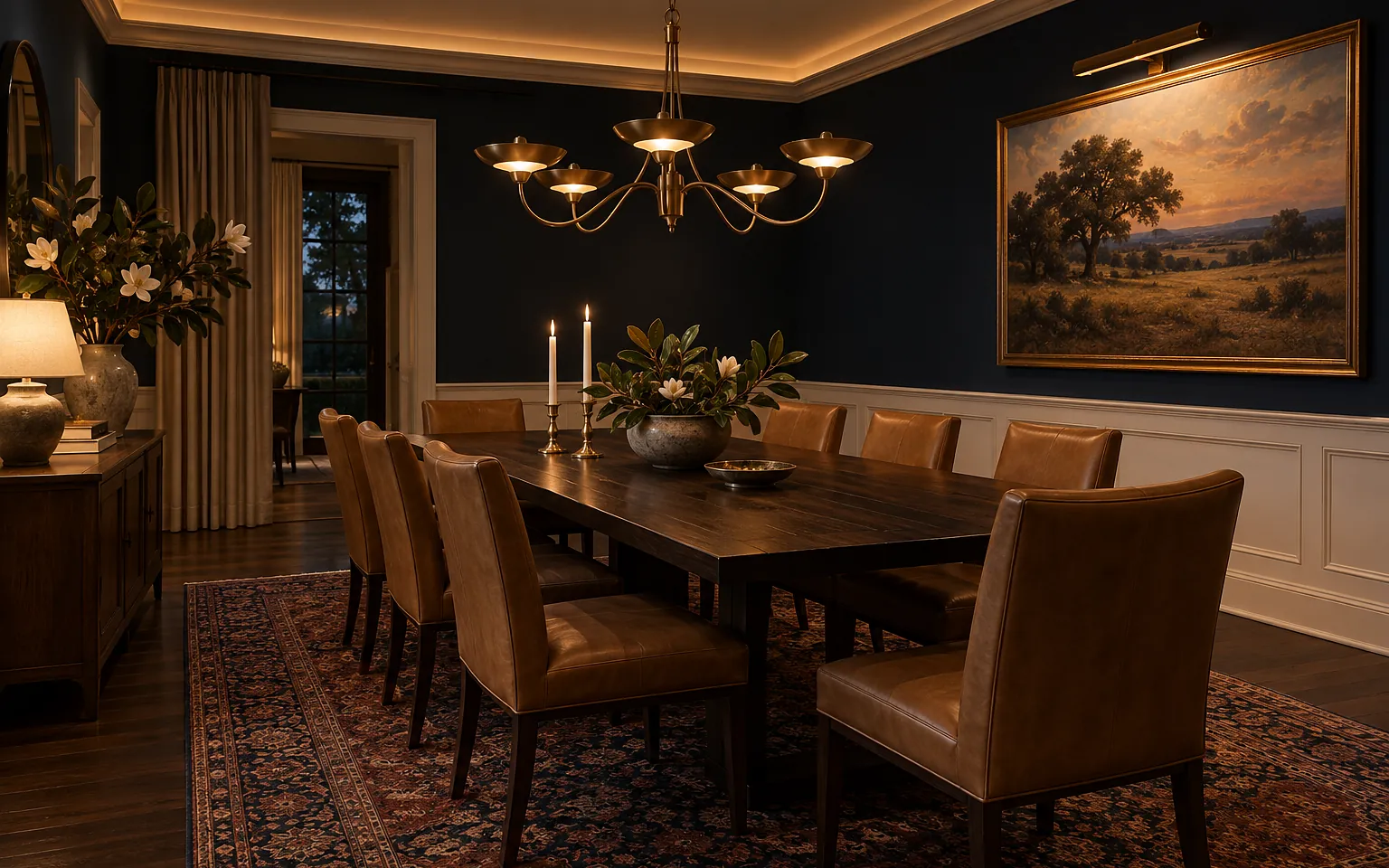
If there is one thing to change in a home, it is the evening. Between dinner and bed most people want light that is warm and low, but the standard house gives them 4000K downlights at full output because that is what the switch does. Every scene we program for the evening does the same three things: it brings the level down, it makes the color warmer, and it moves the light lower in the room, toward lamps, coves and accents, away from the ceiling.
Turn off the ceiling lights after dinner and live with lamps and under-cabinet light for the evening. That difference is what a lighting scene delivers with one press, every night, in every room.
Warm dim and tunable white, explained
Light color is described in Kelvin. Around 2700K is the warm glow of a traditional incandescent bulb. 3000K is still warm but a little cleaner, a common choice for living areas. 4000K is neutral, the color of many offices. 5000K and above reads as cool daylight. The number matters because color and level work together: warm light looks natural when dim, cool light looks natural when bright, and the wrong pairing is what makes a dimmed cool light look grey and dead.
Two technologies handle this in a modern home:
- Warm dim fixtures shift warmer as they dim, the way a candle or an old incandescent bulb does. At full output they are a clean 2700K to 3000K; dimmed for the evening they slide toward the warm amber of firelight. This is the workhorse for living rooms, dining rooms and bedrooms.
- Tunable white fixtures can be set to any color from warm to cool independently of the level. Cool and bright in the morning kitchen, neutral for the office, warm at night. Tunable white is what lets a schedule follow the sun across the whole day.
Neither is worth much without control. A tunable fixture on a regular dimmer is just an expensive downlight. The value comes when the system moves color and level through the day on its own, and the household stops noticing the light and starts noticing that the house feels good.
Daylight is part of the design
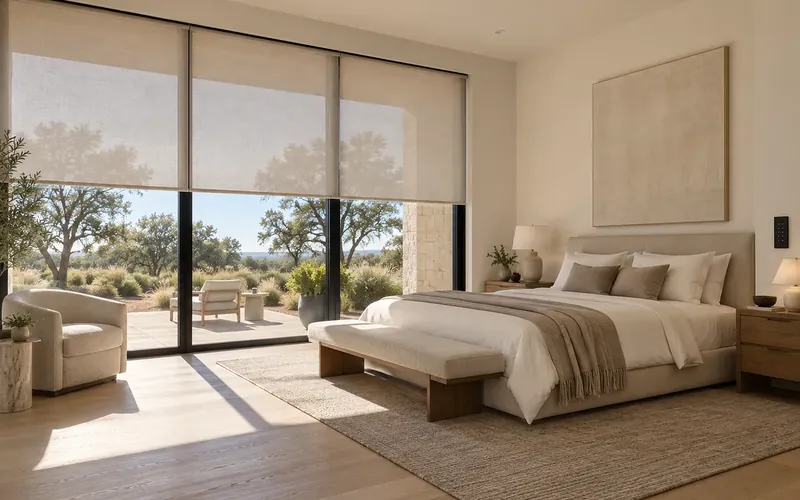
The best morning light is free. The problem in North Texas is that the same glass that gives you daylight in March gives you glare and heat in August. Motorized shades are the lighting designer's other tool: solar fabrics that cut glare while keeping the view, blackout layers for sleep, and schedules that follow the sun so the room is bright when you want it and shaded when you do not.
When shades and lights are on one system they can be balanced. As the shades lower in the afternoon the electric light comes up a little to keep the room even. In the morning the shades open first, and the lights fill only what daylight does not reach. That balance is invisible when it works, which is the point.
Room by room
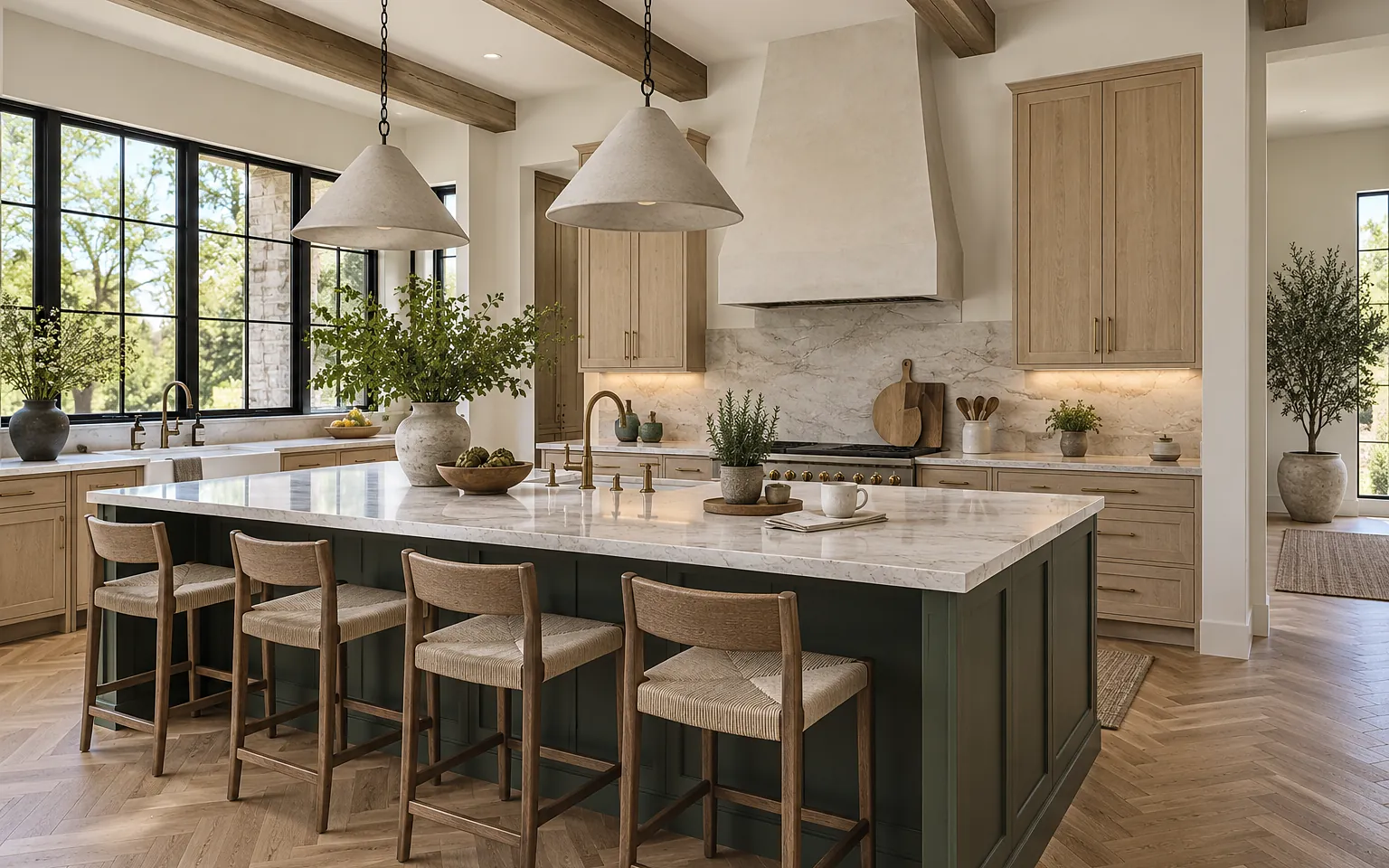
- Kitchen. The hardest working room. Bright, cool task light on the counters in the morning; warm, low ambient light in the evening so it becomes part of the living space instead of a lit workshop.
- Living room. Mostly accent and lamp light after dark. Downlights are for cleaning up. A cove or an uplight along the ceiling gives height without glare.
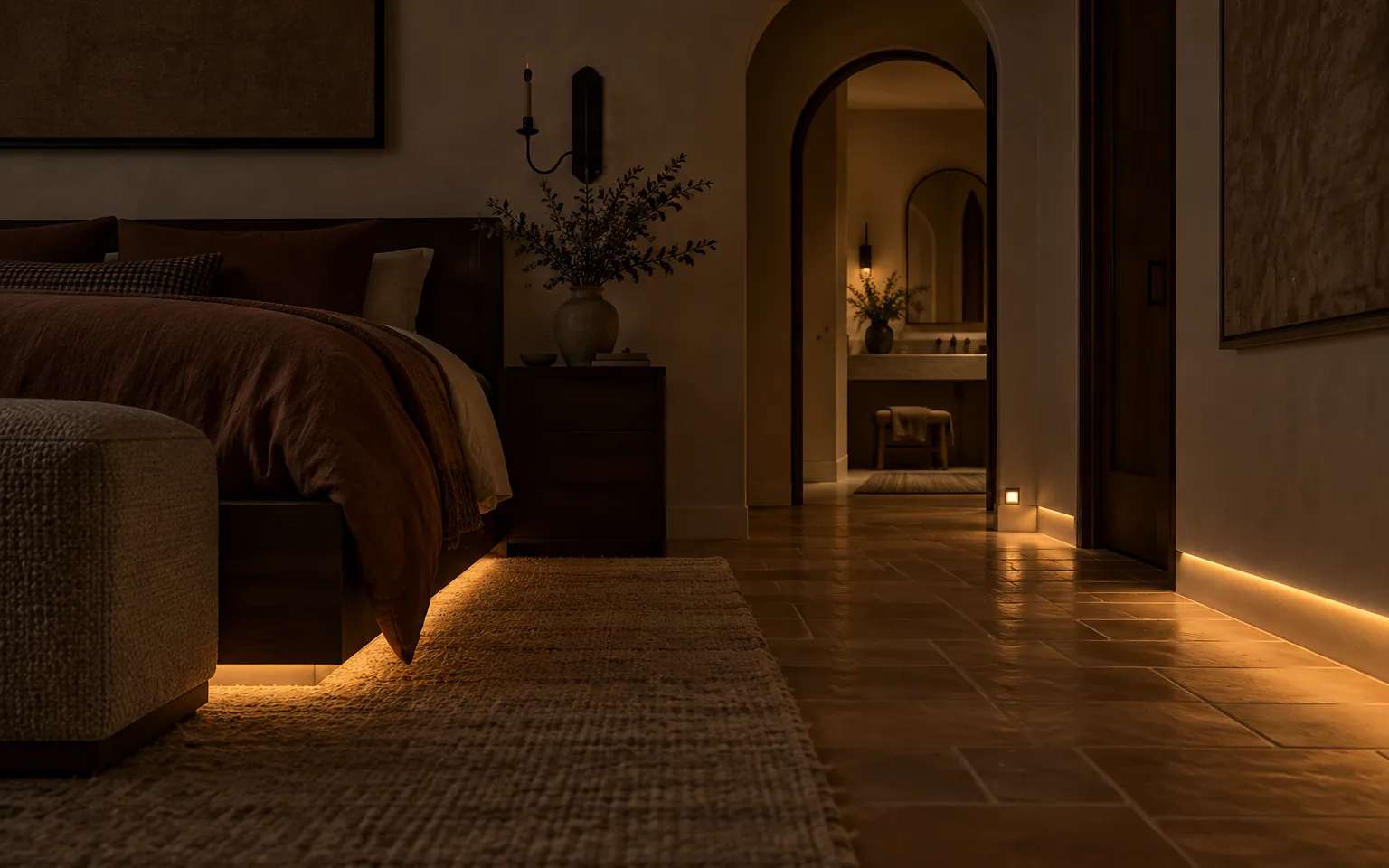
- Bedroom. Warm everywhere, nothing bright overhead. A night path of low light along the floor to the bathroom, triggered by motion after midnight, is one of the most appreciated details we install.
- Bathroom. Even, shadow-free light at the mirror for the morning. A separate warm, dim evening scene, because a 5 am bathroom and a 10 pm bathroom are different rooms.
- Home office. Neutral, bright light during work hours, ideally with tunable fixtures that cool the room in the morning and warm it toward the end of the day.
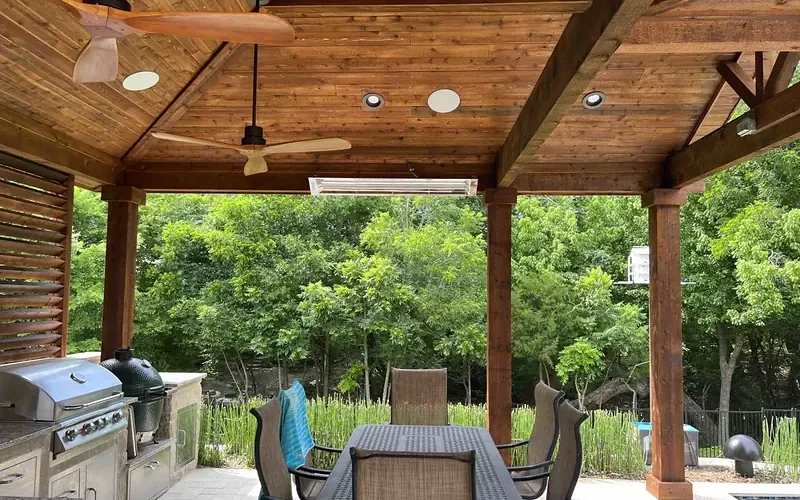
- Outdoors. Landscape and patio lighting that comes on at dusk at a low level and extends the living space, not a floodlight.
Quality you can feel
Three things separate lighting that looks expensive from lighting that is expensive. First, color rendering: fixtures with a high CRI show skin, wood and food as they really are, and the difference is obvious side by side. Second, glare control: deep, trimless downlights that light the room without showing you the source. Third, flicker-free dimming down to very low levels, so the evening scene is genuinely dim rather than switching off at 20 percent.
These are specification decisions, and they have to be made before the fixtures are ordered. It is one reason we design lighting with architects and builders from the drawing stage rather than picking fixtures at the end.
Control is what turns fixtures into wellbeing
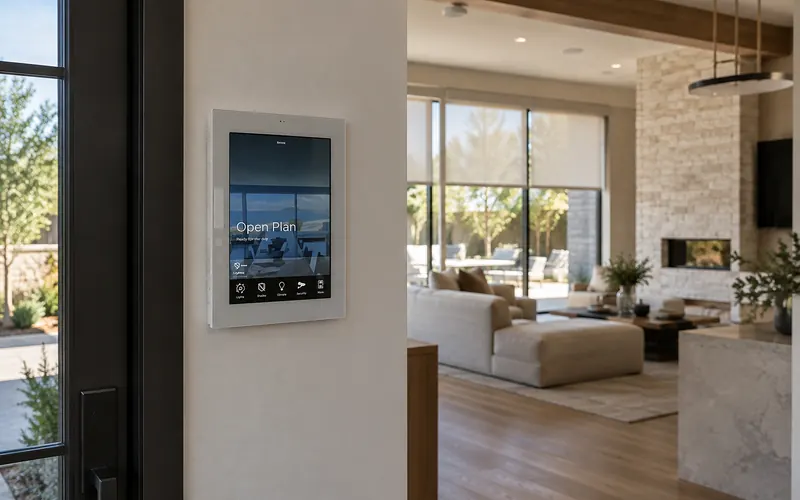
Everything above depends on the light changing through the day without anyone managing it. That is a control problem, not a fixture problem. A whole-home control system holds the schedule, runs the scenes, watches the sunrise and sunset times and gives the family a keypad with four or five honest buttons per room. Morning, Day, Evening, Night, Off. The house does the rest.
It also keeps the design intact over time. Scenes can be tuned after the family has lived with them, seasonal schedules adjust themselves, and new rooms join the same logic. This is the standard of design and aftercare that the Home Technology Association certifies, and it is why we treat lighting as a system rather than a shopping list.
What to ask before you buy a single fixture
- Is every circuit dimmable, and how low does it go before it flickers or drops out?
- Which rooms get warm dim, which get tunable white, and why?
- Where is the light coming from at night: the ceiling, or lamps, coves and accents?
- How do the shades and the lights work together across the day?
- What are the four or five scenes for each room, and who programs them after move-in?
If the answers are clear, the home will feel right. If they are not, more fixtures will not fix it.
What homeowners automate first, and why it sticks
Do smart homes need pre-wiring? What to run before drywall
Are all LED tape lights the same?
Why lighting design should be your first design decision
Five ways motorized shades uniquely benefit Texas homes
Outdoor audio done right: how many speakers do you really need?
I have a dog. That's enough security, right?
The beginner's guide to energy management for Texas homeowners
Don't count wired out: when hybrid home networks work best
4 critical areas to consider in a home theater design
Why hire a professional for your home theater installation
Why your backyard needs a proper outdoor TV installation
Is it time to upgrade your lighting? Five signs the answer is yes
Why you should trust a professional installer with home automation
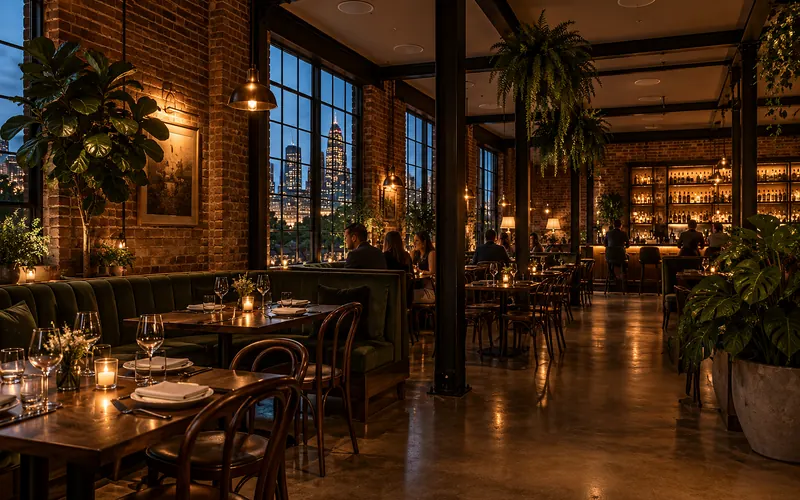
Music and light: the two systems that decide how a restaurant feels
Ready for technology that simply works?
Design, installation and support by one team in Allen, serving Dallas-Fort Worth since 2019.