
A dog is a real deterrent. A stranger at the door thinks twice when something large barks on the other side, and a yard with a dog in it is a yard most people leave alone. But a dog is only on duty when it is home, awake and paying attention, and it cannot tell you what happened, show you who it was or call anyone. The homes that feel genuinely safe keep the dog and add a few layers around it.
What a dog actually does
Most of a dog's security value is noise and unpredictability. Someone looking at a street of similar houses will skip the one with a dog in the window, because a bark draws attention and attention is the last thing they want. That is a real benefit and we would never talk a client out of it. We have dogs too.
The benefit depends on conditions, though. The dog has to be inside, awake and inclined to react to a stranger rather than to the mail carrier and the squirrels. Someone has to be close enough to hear the bark, and the person at the door has to believe the dog is a threat. A big friendly retriever and a small loud terrier both make noise; neither one stops anyone who has decided to come in. Someone who has watched the house for a few days knows when the dog is walked and when it is crated or out back.
Where the bark stops
The gaps show up when you list what happens after the bark.
- Nobody home. A dog barking inside an empty house, driveway clear and lights off at seven in the evening, tells a visitor what they want to know: there is a dog, and no one else.
- Wrong side of the house. A dog in the backyard does nothing for the garage, the side gate or the porch where the packages sit. A dog inside does nothing for the pool equipment, the shed or the cars.
- Away together. When the family travels, the dog usually goes along or to a boarder. The house is then exactly as protected as it was before you got a dog.
- No record. A dog cannot tell you whether the noise at two in the morning was a person or a raccoon, cannot show you a face, and cannot give you anything an officer or an insurer can use.
- No call. A dog cannot phone you at work, cannot reach emergency services, and cannot smell a slow carbon monoxide leak or a fire that starts in the garage.
The dog is reactive, and only locally. Everything on that list needs something that watches every entry point all the time and can reach you anywhere.
Layered security, from the street to the bedroom
Good residential security is not one product. It is a few layers, each covering a different distance from the house, so that someone who gets past one meets the next.
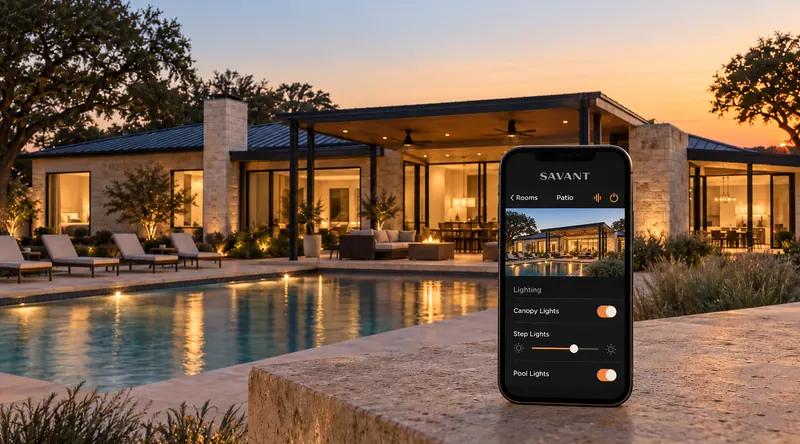
- Lighting. Exterior lighting that follows sunset, with pathway and entry lights on until a set hour, removes the dark approaches. Motion-triggered zones at the side yard and the garage are the first thing an unwanted visitor avoids, and replaying your normal evening pattern while you travel is the simplest way to make an empty house look occupied.
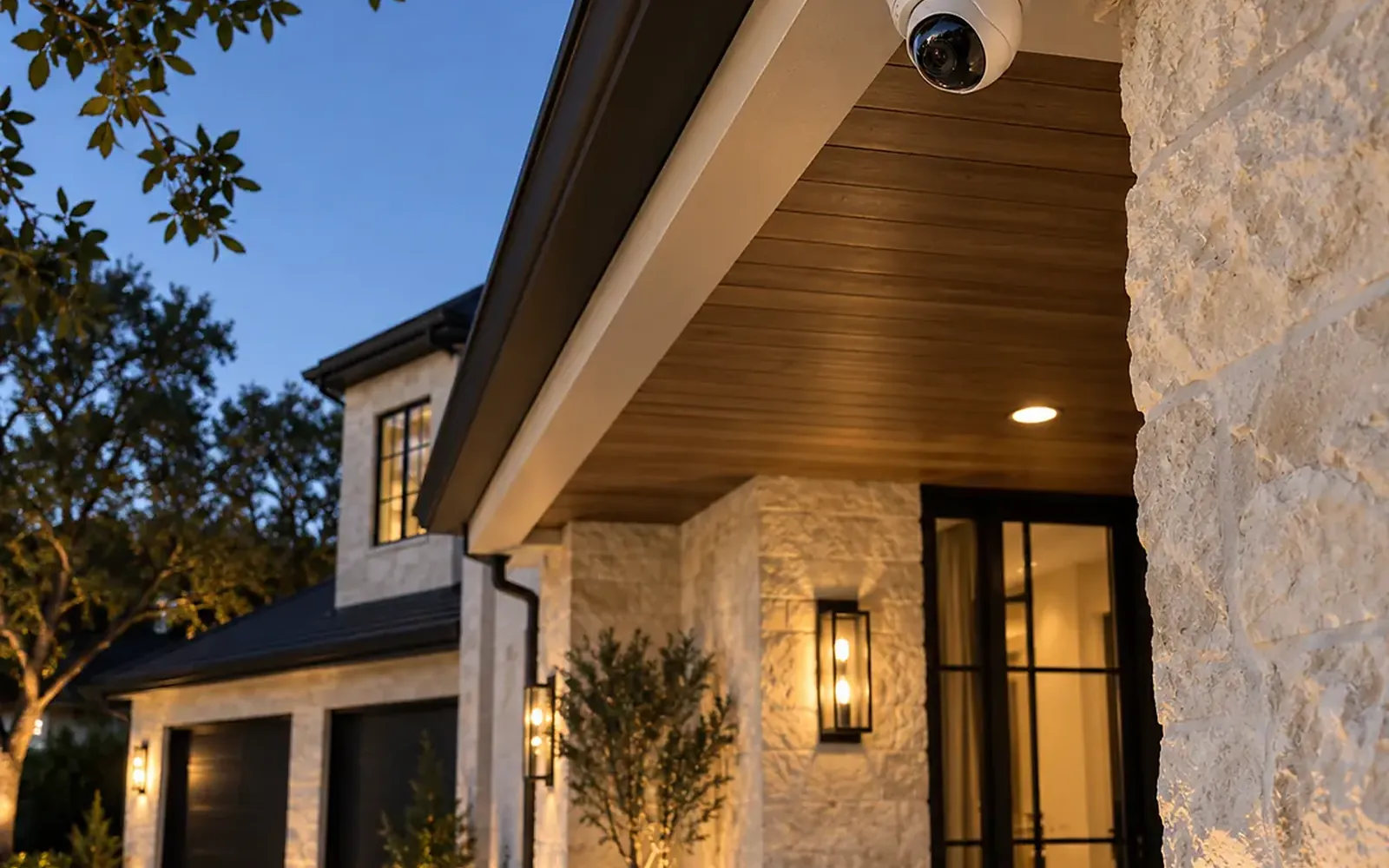
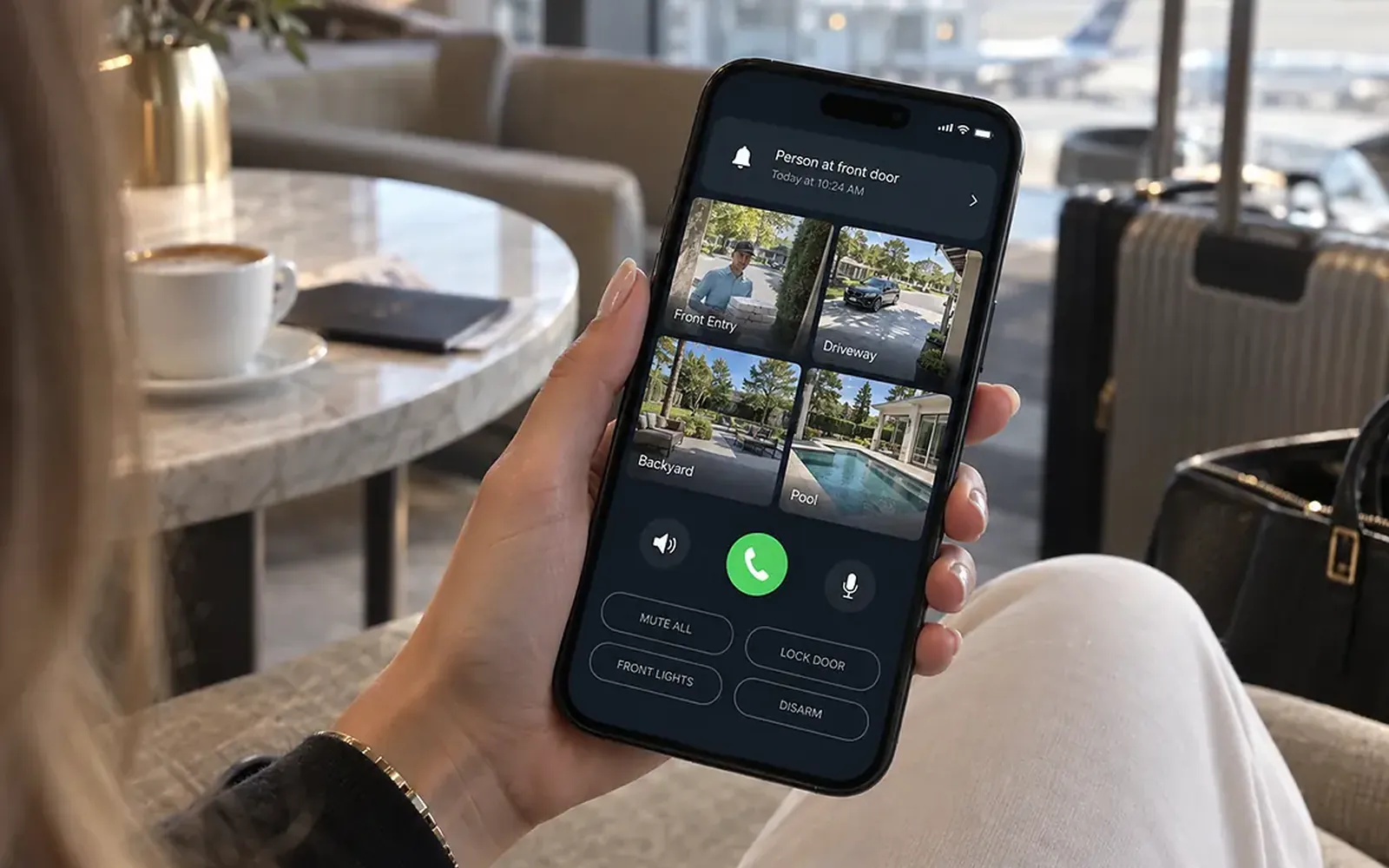
- Cameras. Fixed cameras at the driveway, the front entry, the backyard and the garage give you a record and, more usefully, a live look at what the dog is barking at. Modern cameras tell a person from a car or an animal, so the alert you get is worth opening.
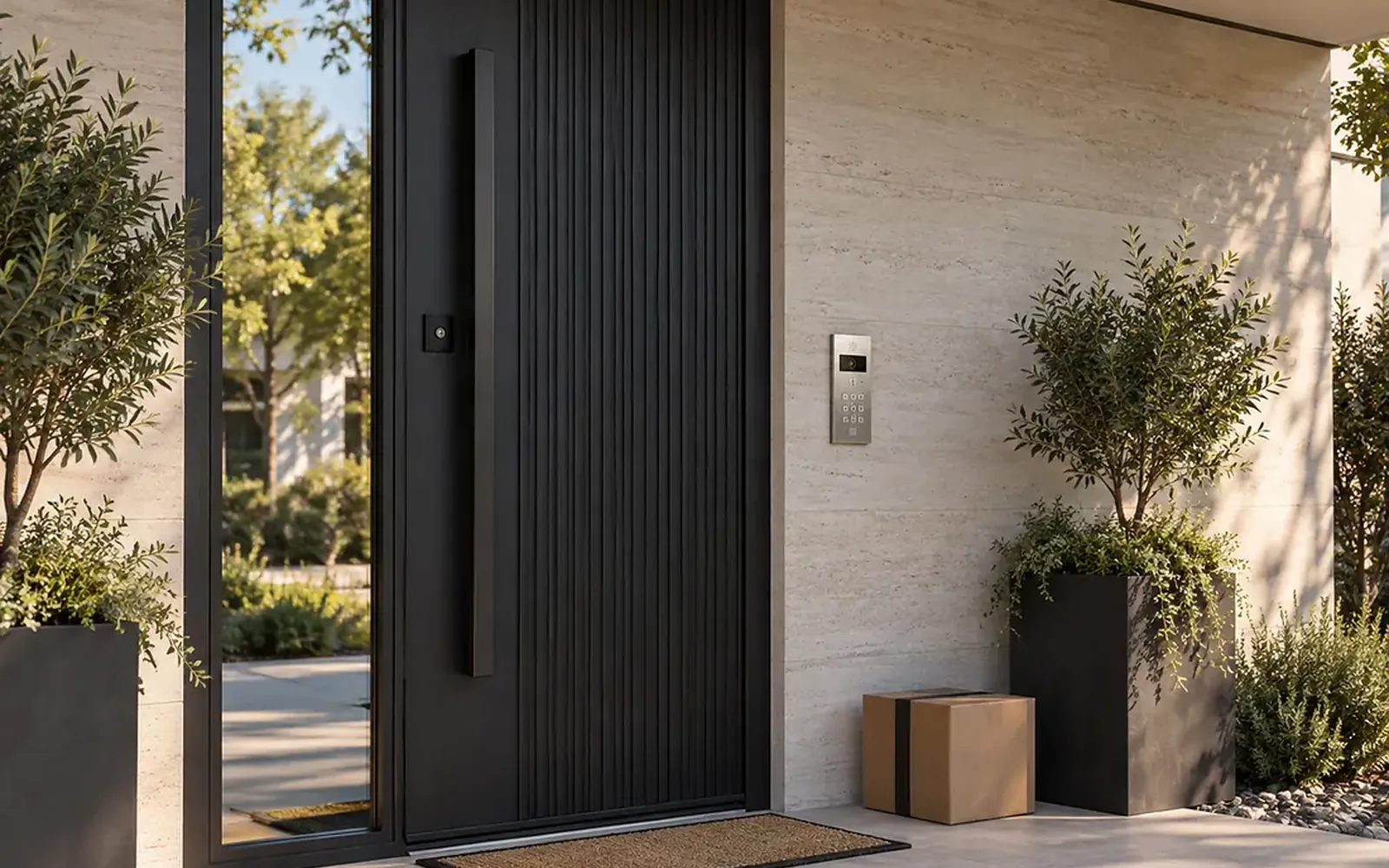
- Video doorbell. The front door is where most unwanted visits begin. A doorbell camera lets you see who is there and speak to them, whether you are in the kitchen or in another state.
- Smart locks. Codes for the family, temporary codes for the dog walker and the cleaner, a log of who came and went, and a door that locks itself a few minutes after everyone leaves.
- Sensors. Contact sensors on every door and operable window, glass-break detection for large panes, and motion sensors inside. Sensors cover the openings the dog cannot see.
- Life safety. Smoke, heat and carbon monoxide detectors on the same system, so an alarm at home reaches you and the monitoring center whether or not anyone is there.
Each layer is modest on its own. Together they close every gap in the previous section.
Alerts that mean something
A system that sends twenty notifications a day is a system that gets muted. The design work is in deciding what you want to hear about and what you do not.
Pet-friendly motion sensors are part of this. They are mounted and tuned so that a dog moving through the house does not trip them while a person does. Camera alerts are set to people at the entry points, not to every car on the street. The result is a short list of events that actually matter: a person at the back fence at midnight, the garage door opening while everyone is at work, a window opened after the house was armed.
For the rare bad day, professional monitoring means a trained person sees the alarm and contacts the police or the fire department whether you answer your phone or not. The dog can bark. The monitoring center can send someone.
When security is part of the house
Security that lives in its own app, next to the camera app and the lock app, gets opened less and less. When the same system runs the lighting and the automation, it starts doing useful things on its own.
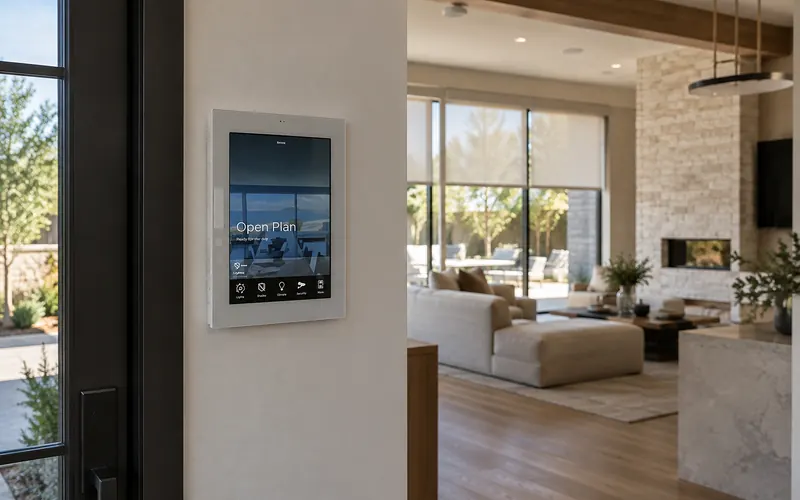
Someone rings the bell after dark and the entry lights come up to full while the doorbell feed appears on the nearest touch panel or TV. The last person leaves and the Away scene locks the doors, closes the garage, arms the sensors and sets the thermostat back. The house goes to bed and Goodnight checks every lock before the lights go down. While you travel, the lighting replays an ordinary evening and the shades move at their usual hours. None of it needs a separate decision, which is why it keeps working; the scenes are the ones in what homeowners automate first.
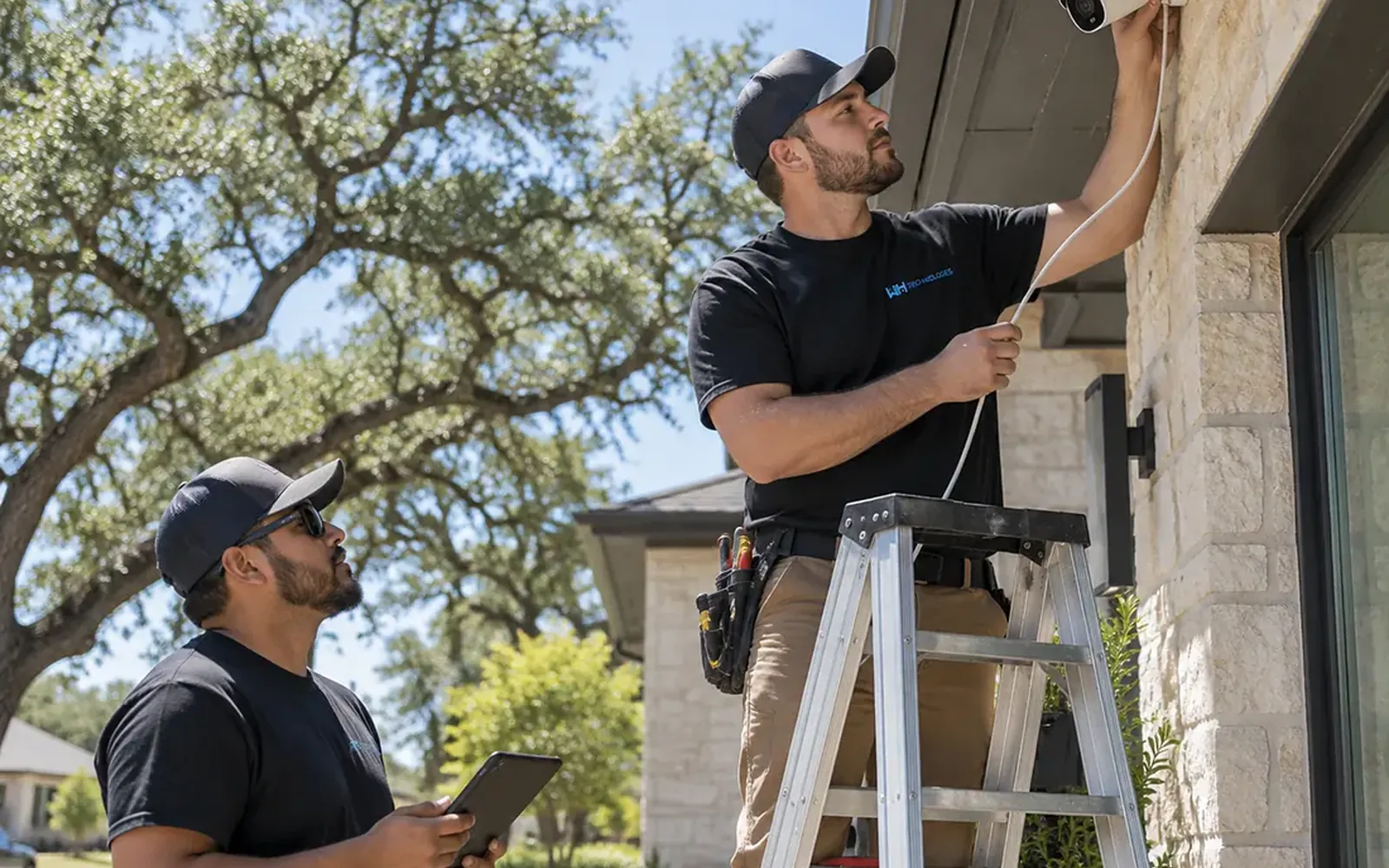
Two practical notes from installing this across Dallas-Fort Worth. First, cameras, locks and sensors all ride on the home network, so a weak network means missed clips and locks that drop offline. The network is part of the security design. Second, placement: cameras under the eaves survive sun and hail far better than units on an open wall, and a camera that sees the approach is worth more than one that only sees the door. WH Technologies holds a Texas security license, and the crew that designs the system is the one that installs and supports it.
What to do next
Keep the dog. Then walk the outside of your house at dusk and look at it the way a stranger would: the dark side yard, the unlit garage door, the gate that does not latch, the packages on the porch. That walk is the start of the design.
From there, decide what you want to know about, and when. A first phase is usually the front door, the driveway, exterior lighting on a schedule and locks that report. Sensors, interior cameras and monitoring follow. If you are building, have the camera and sensor locations drawn before the walls close, so the cable runs inside the house rather than along it. If you would like someone to do that dusk walk with you, that is what a consultation is for.
What homeowners automate first, and why it sticks
How light changes the way a home feels
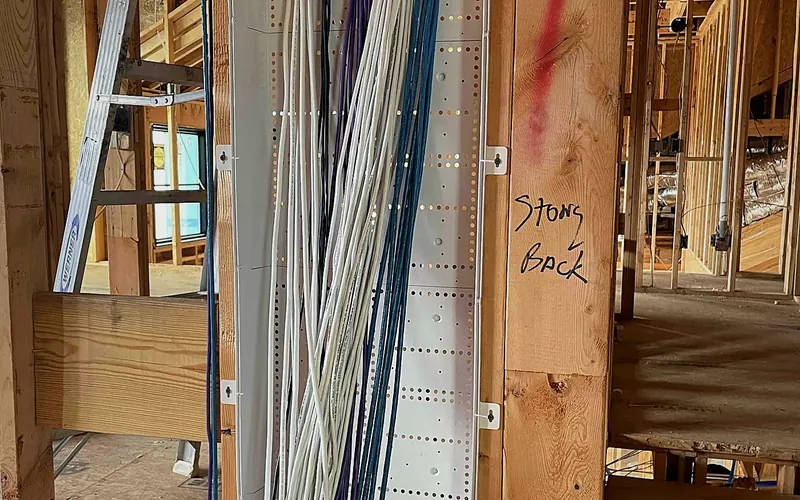
Do smart homes need pre-wiring? What to run before drywall
Are all LED tape lights the same?
Why lighting design should be your first design decision
Five ways motorized shades uniquely benefit Texas homes
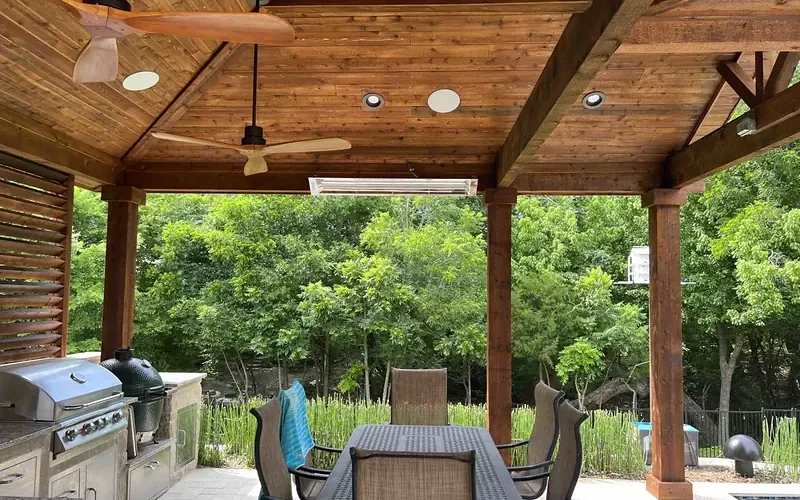
Outdoor audio done right: how many speakers do you really need?
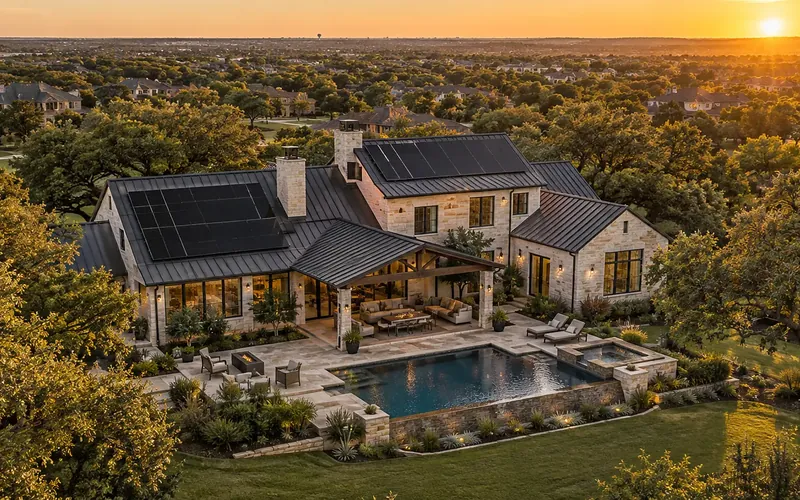
The beginner's guide to energy management for Texas homeowners
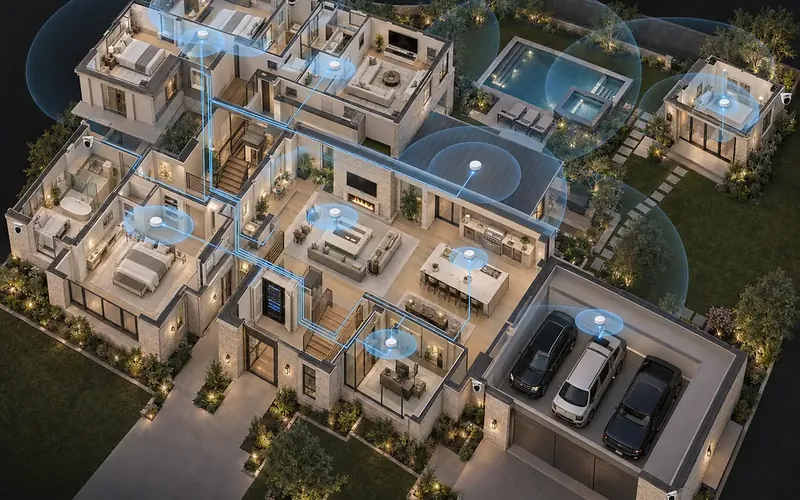
Don't count wired out: when hybrid home networks work best
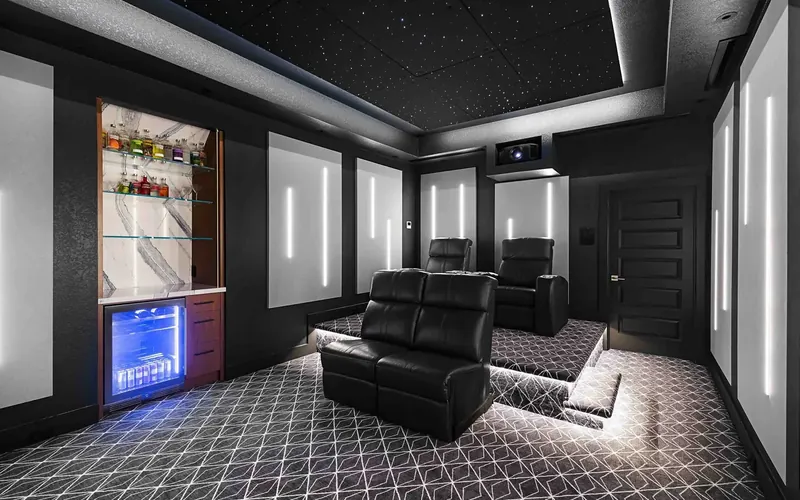
4 critical areas to consider in a home theater design
Why hire a professional for your home theater installation
Why your backyard needs a proper outdoor TV installation
Is it time to upgrade your lighting? Five signs the answer is yes
Why you should trust a professional installer with home automation

Music and light: the two systems that decide how a restaurant feels
Ready for technology that simply works?
Design, installation and support by one team in Allen, serving Dallas-Fort Worth since 2019.